.jpg)
After long hours of intense training, athletes must prioritize relaxation to recharge physically and mentally. While the focus is often on performance during training sessions, recovery plays a crucial role in maintaining overall well-being and ensuring continued progress. From stretching and foam rolling to engaging in mindful practices or simply unwinding with a good book, there are numerous ways athletes can relax and rejuvenate after pushing their limits. In this post, we’ll explore various strategies sportspeople can use to help their bodies and minds recover effectively after long hours of training.
7 Ways Sports People Can Relax After Long Hours Of Training Sessions
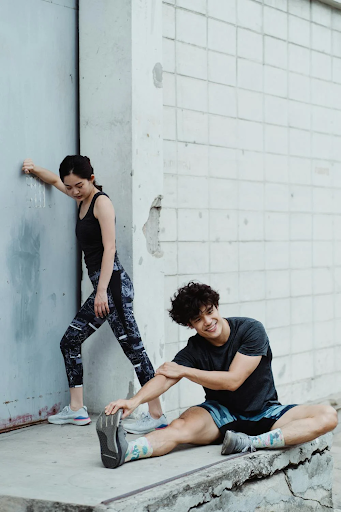
Stretching and foam rolling
Sportspeople can relax after long hours of training by incorporating stretching and foam rolling into their recovery routine. Stretching helps release muscle tension, improve flexibility, and allow the body to unwind. Foam rolling, on the other hand, targets specific muscle groups, providing a form of self-massage that can aid in relieving tightness and promoting relaxation.
Both practices are simple yet effective ways to reduce muscle stiffness, improve circulation, and encourage a sense of relief after intense physical activity. Together, stretching and foam rolling offer athletes a great way to wind down and care for their bodies after a demanding training session.
Taking a warm bath or shower
Sportspeople can relax after long hours of training by taking a warm bath or shower. The soothing warmth helps to ease muscle tension and provides a calming effect on the body and mind.
Whether a quick shower or a longer soak, the warm water promotes relaxation, making it an ideal way to unwind after an intense session. Adding bath salts or essential oils can enhance the experience, creating a peaceful environment that encourages rest. This simple practice not only helps athletes feel more comfortable but also allows them to mentally transition from the intensity of training to a more restful state.
Meditation or deep breathing exercises
Sportspeople can relax after long hours of training by practicing meditation or deep breathing exercises. These calming techniques allow athletes to shift their focus away from physical exertion and stress, promoting a sense of mental clarity and relaxation.
Meditation helps create a peaceful space to clear the mind, while deep breathing exercises encourage a slower, more controlled rhythm of breath, reducing feelings of tension. Both practices can serve as a valuable mental reset, allowing athletes to unwind and recover in a more balanced way. Incorporating these methods into their routine helps sportspeople achieve deeper relaxation after a demanding training session.
Engaging in light yoga
Sportspeople can relax after long hours of training by engaging in light yoga. Gentle yoga routines, focusing on slow movements and deep stretches, can help athletes release any remaining muscle tension while promoting a calm and centered mindset.
This low-impact activity allows a smooth transition from training intensity to a more relaxed state, encouraging flexibility and relaxation. Light yoga offers a great way for athletes to wind down and reconnect with their bodies after a demanding workout, whether it's a few minutes of stretching or a full session.
Listening to music or podcasts
Sportspeople can relax after long hours of training by listening to music or podcasts. Whether it’s their favorite playlist or an engaging podcast, both options offer a way to unwind and take their mind off the intensity of the workout.
With its rhythm and soothing sounds, music can create a calming atmosphere, while podcasts provide entertainment or insightful content that allows athletes to shift their focus and relax. This simple yet effective form of relaxation can help athletes enjoy a mental break and make transitioning from intense physical activity to rest more enjoyable.
Spending Time with Friends or Family
Sportspeople can relax after long hours of training by spending time with friends or family. Engaging in light-hearted conversations or simply enjoying each other’s company provides a mental break from the focus and discipline of training. Whether it's sharing a meal, playing a casual game, or watching a movie together, these moments of connection help athletes decompress and recharge.
Some individuals may also explore natural wellness options such as buy kratom powder for sale as part of their personal relaxation routine, depending on their preferences and lifestyle. Spending quality time with loved ones creates a positive atmosphere that promotes relaxation and strengthens personal bonds, making it an ideal way to reset after intense training.
Practicing mindfulness or journaling
Sportspeople can relax after long hours of training by practicing mindfulness or journaling. Mindfulness allows athletes to focus on the present moment, helping them shift their attention away from training stresses and clear their minds. Journaling provides a space to reflect on the day’s training, express emotions, and track progress, offering clarity and a sense of accomplishment.
These practices create an opportunity for athletes to wind down, gain perspective, and foster a sense of mental calm after the intensity of a workout. Whether through guided meditation or writing, these techniques encourage a peaceful transition from physical exertion to relaxation.
Why Should Sportspeople Relax After Long Hours Of Training Sessions?
Sportspeople should relax after long hours of training sessions to allow their bodies and minds to recover from intense activity's physical and mental strain. After pushing their limits during training, taking time to unwind helps athletes recharge, preventing burnout and maintaining long-term performance.
Relaxation also allows athletes to mentally shift gears, focusing on recovery rather than the demands of the training session. By incorporating rest into their routine, athletes can return to their next session feeling refreshed and more focused, ensuring continued progress without overexertion.
Closing Lines
Relaxation is a crucial component of a sports person’s routine after long hours of training. Whether through stretching, light yoga, spending time with loved ones, or simply listening to music, taking the time to unwind allows athletes to recharge physically and mentally. Incorporating relaxation techniques such as mindfulness or journaling can also help create a balanced approach to recovery. By prioritizing relaxation, sportspeople can maintain their focus, motivation, and readiness for the challenges ahead, ultimately contributing to sustained performance and overall well-being.