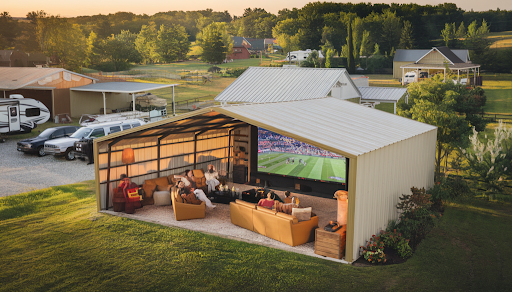
An enclosed carport represents one of the most underutilized spaces in American homes. While these structures were originally designed to shelter vehicles from the elements, they offer surprising potential as entertainment venues. Converting an enclosed carport into a dedicated sports lounge creates a gathering space that keeps the noise and excitement separate from your main living areas while maximizing square footage you're already paying for.
The transformation makes particular sense for sports enthusiasts who regularly host watch parties. Unlike repurposing a basement or spare bedroom, a carport conversion maintains clear boundaries between everyday family life and game day chaos. The space typically offers high ceilings, existing electrical infrastructure, and enough room for proper seating arrangements without the claustrophobic feel of converted interior rooms.
Why Carports Work Better Than You'd Think
A carport is fundamentally a covered structure designed to protect vehicles from weather without the full enclosure of a traditional garage. These structures have evolved significantly since their mid-century origins, when they were valued primarily for their economy and the California modernist aesthetic that favored indoor-outdoor flow.
The architectural simplicity that once made carports a budget alternative now works in their favor for conversions. The open design means fewer load-bearing walls to work around, better natural ventilation, and straightforward access to utilities. Modern metal carports with garage doors bridge the gap between traditional open carports and fully enclosed garages, offering weather protection while maintaining the structural flexibility that makes conversions feasible.
The distinction matters for planning purposes. A fully enclosed garage requires extensive ventilation modifications and often HVAC additions to remain comfortable year-round. An enclosed carport, particularly one with a garage door that can be opened for airflow, naturally manages temperature and air quality better than sealed spaces.
The Case for Metal Construction
Metal carports bring specific advantages to entertainment space conversions that wood-frame structures can't match:
- Structural Integrity: Steel framing supports heavier loads without the sagging or settling common in wood structures, crucial when mounting large televisions, sound systems, and shelving.
- Weather Resistance: Metal withstands moisture, temperature fluctuations, and pest damage that would compromise wood over time, particularly important in spaces that may not be climate-controlled year-round.
- Cost Efficiency: Prefab metal structures typically cost 30-40% less than comparable wood construction while offering comparable or superior longevity.
- Installation Speed: Factory-fabricated components install in days rather than weeks, minimizing disruption and labor costs.
- Modification Flexibility: Metal buildings accept additions and alterations more readily than wood framing, useful as your entertainment needs evolve.
The metal construction industry has refined prefabrication techniques to the point where quality control often exceeds site-built alternatives. For homeowners considering this conversion, Metal Carport Depot LLC provides the weather protection and finished appearance necessary for comfortable entertainment spaces.
Design Considerations That Actually Matter
Successful sports lounge conversions require thinking beyond simply adding a couch and television. The space needs to function during three-hour games with multiple guests while remaining practical for off-season storage or alternative uses.
Layout and Flow: Position seating to minimize glare on screens while maintaining sightlines from food and beverage areas. Most carports measure 12-24 feet wide, enough for tiered seating arrangements that give everyone a clear view. Plan for traffic patterns that don't require people to walk between viewers and screens during crucial plays.
Seating Strategy: Prioritize durability and cleanability over living room aesthetics. Commercial-grade furniture designed for hospitality environments withstands spills and heavy use better than residential pieces. Modular seating allows reconfiguration for different group sizes and can be moved aside when the space serves other purposes.
Audio-Visual Systems: Size screens appropriately for viewing distance—a 75-inch display works for spaces where viewers sit 9-12 feet away, while larger carports can accommodate projector systems. Sound systems should account for the acoustic challenges of spaces with metal walls and concrete floors, which reflect sound more than typical interior rooms. Acoustic panels disguised as sports memorabilia displays can improve sound quality without sacrificing aesthetics.
Climate Control: Insulation transforms an enclosed carport from a seasonal space into a year-round venue. Spray foam insulation works particularly well in metal buildings, creating an air seal while adding structural rigidity. Mini-split HVAC systems offer efficient heating and cooling without requiring ductwork modifications to your main house.
The Real Costs and Considerations
Budget planning for carport conversions requires accounting for both obvious expenses and hidden costs that emerge during construction. Material and labor costs vary significantly by region, but understanding the major cost drivers helps set realistic expectations.
Structural Modifications: Enclosing an open carport with walls and a garage door typically runs $3,000-$8,000 depending on size and materials. Metal structures with existing roof systems cost less to enclose than building from scratch. Adding windows for natural light increases costs but improves the space's usability and reduces daytime electricity consumption.
Electrical Upgrades: Most carports have minimal electrical infrastructure—perhaps a single outlet and light fixture. A proper entertainment space needs dedicated circuits for audio-visual equipment, adequate lighting on dimmer switches, and enough outlets to avoid extension cord tangles. Electrical work typically costs $2,000-$5,000 depending on the distance from your main panel and local code requirements.
Insulation and Climate Control: This represents the largest variable cost. Basic insulation might run $1,500-$3,000 for a standard two-car carport, while adding HVAC systems ranges from $3,000 for a basic mini-split to $8,000+ for more sophisticated systems.
Flooring: Concrete floors work fine with area rugs, but epoxy coatings ($3-$12 per square foot) or interlocking floor tiles ($2-$8 per square foot) improve comfort and aesthetics. Avoid carpet in spaces that may still occasionally serve vehicle storage or workshop functions.
Finishing Touches: Budget $2,000-$5,000 for furniture, $1,000-$3,000 for audio-visual equipment (excluding high-end systems), and $500-$1,500 for lighting, decor, and accessories. These costs scale with your ambitions and existing equipment you can repurpose.
Total conversion costs typically range from $10,000-$30,000 for a well-executed project, significantly less than building an equivalent addition to your home. The investment often returns value through increased property appeal, though appraisers may not assign full value to converted spaces versus original construction.
Practical Implementation Steps
Successful conversions follow a logical sequence that minimizes rework and manages costs effectively. Rushing into cosmetic improvements before addressing structural and systems issues leads to expensive do-overs.
Phase 1 - Structural Assessment: Verify that your existing carport can support the intended use. Check local building codes regarding converted structures—some jurisdictions require permits for changes that alter a structure's primary purpose. Inspect the foundation for cracks or settling that might need correction before proceeding.
Phase 2 - Enclosure and Weatherproofing: If your carport isn't already fully enclosed, this work comes first. Install walls, ensure proper water drainage away from the structure, and verify that the roof system adequately protects against your region's weather patterns. This phase establishes the envelope that makes climate control feasible.
Phase 3 - Systems Installation: Run electrical, add insulation, and install HVAC before finishing interior surfaces. This sequence allows access to wall cavities and ceiling spaces without damaging finished materials. Consider running conduit for future technology upgrades even if you don't immediately need the capacity.
Phase 4 - Interior Finishing: Install flooring, paint or panel walls, add lighting fixtures, and complete other cosmetic work. This phase transforms the space from construction zone to functional room.
Phase 5 - Furnishing and Equipment: Add furniture, mount displays, install sound systems, and incorporate personal touches that make the space yours. This final phase can happen gradually as budget allows.
Design Elements That Elevate the Space
The difference between a converted carport that feels like an afterthought and one that rivals commercial sports bars comes down to intentional design choices that address the unique challenges of these spaces.
Lighting Layers: Combine ambient lighting for general visibility, task lighting for food prep or game areas, and accent lighting to highlight memorabilia or architectural features. LED strip lighting behind mounted displays reduces eye strain during extended viewing. Install everything on dimmers to adjust atmosphere from bright and energetic during day games to moody and focused for evening events.
Acoustic Treatment: Hard surfaces in metal buildings create echo and reverberation that muddy sound quality. Fabric-wrapped acoustic panels mounted strategically absorb problematic frequencies without requiring full wall coverage. Position panels at first reflection points—where sound from speakers bounces off walls before reaching listeners—for maximum impact with minimal visual intrusion.
Personal Touches: Display authentic memorabilia rather than generic sports decor. Framed jerseys, signed equipment, and vintage pennants tell stories and create conversation starters. Rotate displays seasonally to keep the space feeling fresh and reflect current team allegiances.
Functional Zones: Designate specific areas for different activities—primary viewing area, food and beverage station, game area for halftime entertainment, and perhaps a corner for kids if family-friendly events are common. Clear zoning prevents congestion and helps guests navigate the space intuitively.
Technology Integration: Modern sports viewing involves multiple screens and devices. Plan for displaying multiple games simultaneously, streaming from phones or tablets to main displays, and charging stations that keep devices powered throughout long game days. Smart home integration allows voice control of lighting, temperature, and audio systems.
Maximizing Year-Round Utility
The most successful carport conversions serve multiple purposes beyond game day viewing. Designing for flexibility ensures the space justifies its cost and maintenance throughout the year.
During off-season periods, the space can function as a home gym, workshop, or general entertainment area for movie nights and gatherings. Modular furniture and mobile equipment make transitions between uses straightforward. Some homeowners install garage doors that fully open one side, creating an indoor-outdoor space for warm-weather entertaining that extends beyond sports viewing.
Consider how the space might evolve with your needs. Today's sports lounge could become tomorrow's home office, art studio, or rental space. Building in flexibility through neutral finishes, adaptable electrical systems, and furniture that serves multiple purposes protects your investment against changing circumstances.
Common Pitfalls to Avoid
Learning from others' mistakes saves money and frustration. These issues appear repeatedly in carport conversion projects:
- Inadequate Insulation: Skimping on insulation to save upfront costs leads to uncomfortable spaces and high energy bills. Insulate to standards appropriate for your climate zone, not minimum requirements.
- Undersized HVAC: Calculate heating and cooling loads properly. Metal buildings can be more challenging to climate control than wood-frame structures, requiring appropriately sized systems.
- Poor Lighting Planning: Single overhead fixtures create harsh shadows and glare. Layer multiple light sources at different heights for better results.
- Ignoring Acoustics: Hard surfaces require acoustic treatment for comfortable sound levels. Address this during construction rather than trying to fix it afterward.
- Inadequate Electrical Capacity: Modern entertainment systems, climate control, and lighting require substantial electrical service. Upgrade your panel capacity if needed rather than overloading circuits.
- Forgetting Ventilation: Even climate-controlled spaces need fresh air exchange, particularly when hosting groups. Plan for ventilation that doesn't compromise energy efficiency.
The Bottom Line on Carport Conversions
Converting an enclosed carport into a sports lounge makes sense for homeowners who regularly entertain, want dedicated entertainment space, and have an underutilized structure that could serve better purposes. The project costs less than equivalent additions while creating space that keeps game day excitement separate from daily household activities.
Success requires realistic budgeting, attention to structural and systems requirements before cosmetic improvements, and design choices that address the unique challenges of these spaces. Metal carports offer particular advantages for conversions through their durability, cost efficiency, and modification flexibility.
The result is a space that enhances your home's functionality and entertainment value while potentially increasing property appeal. Whether you're watching the big game with a crowd or enjoying a quiet evening with family, a well-executed carport conversion delivers returns that justify the investment.