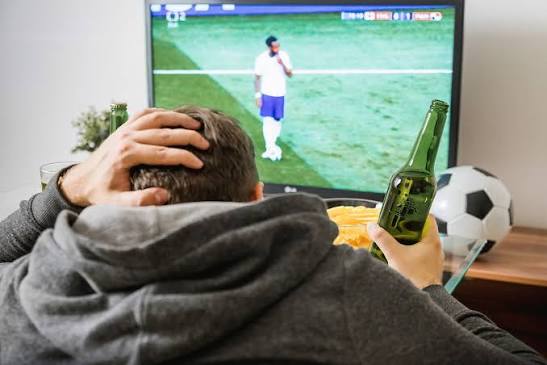
Anyone who has joined an office pool knows the feeling. You study matchups, lock in your picks, and then spend weeks living with every upset, referee call, and last-second score. At the same time, a very different style of game has become popular online, where players watch a wheel spin in real time instead of tracking brackets over months.
On the surface, office pools and casino-style games look unrelated. One is rooted in sports fandom and workplace banter, the other in classic table gaming. However, both blend prediction, chance, and strategy in ways that keep people engaged far beyond pure luck.
From Prediction to Real-Time Spin
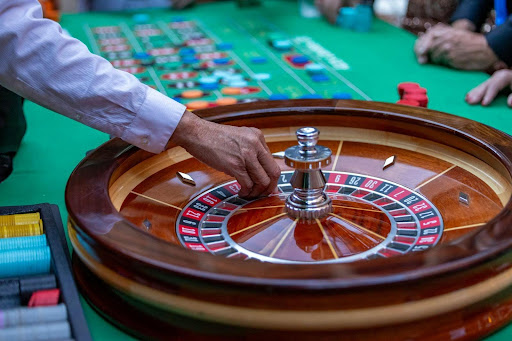
Live dealer casino games Live dealer casino games shift the experience from long-term forecasting to instant reaction. Instead of studying teams for days, players make decisions in seconds as a wheel spins on screen. Formats such as live roulette recreate the energy of a real table with a dealer, multiple camera angles, and a shared chat space. A practical approach here is pacing rather than prediction. Many players set a session limit in advance, such as ten spins, and leave regardless of results.
Another common tactic is sticking to outside bets like red or black or odd or even. These do not improve the odds, but they smooth out swings and create a steadier experience. More adventurous players may split their stakes between high-probability bets and one small-risk bet per spin, keeping excitement alive without overexposure.
How Office Pools Turn Prediction Into Play
In an office pool, strategy begins before kickoff. Experienced players rarely just pick favorites. A smarter approach is to build a balanced card. This means selecting a mix of safe picks and two or three calculated upsets that most of the office will avoid. If chaos happens, those contrarian choices can separate you from the pack.
Another practical tactic is “hedging through coverage.” Instead of going all-in on one narrative, players can pick different teams across multiple games, so a single upset does not wipe out their entire week. This reduces emotional swings and keeps them competitive deeper into the season.
Many successful pool players also track simple trends instead of deep analytics. They pay attention to travel fatigue, short rest weeks, and weather conditions rather than advanced stats. These small edges often matter more than flashy predictions.
Social strategy matters too. Talking through picks during your office March Madness with coworkers can surface insights you missed while also shaping group psychology. Sometimes the smartest move is simply not following the loudest voice in the room.
Two Games, One Psychology
Both office pools and live dealer games reward patience and self-control more than prediction. In pools, that means avoiding last-minute emotional changes to picks. At the table, it means resisting the urge to double down after a loss.
Both also thrive in the community. Joining an office pool league can bond coworkers through shared narratives, while playing live roulette tables builds casual camaraderie among strangers reacting to the same wheel. That shared tension is what makes both formats compelling today. In the end, neither experience is really about mastering chance. They are about how people engage with uncertainty, blending prediction, luck, and strategy into moments that feel meaningful and alive.