When you look at what people in the UK are actually watching, it's the competitions – not just the sports – that matter most. Football, darts and cricket all benefit from flagship events that are easy to follow, steeped in tradition and designed for sustained viewing.
That accessibility is key, whether you’re tuning in casually or using a user-friendly sports betting site alongside the action. These competitions give each sport its shape, rhythm and relevance.
Football
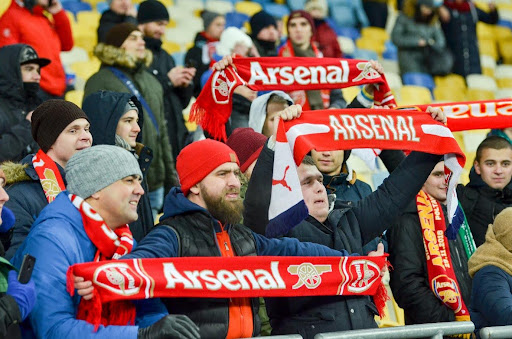
The Premier League drives most football viewership in the UK, largely because of the stories at the top of the table. Manchester City set the standard, but much of the current focus is on Arsenal, who've finished second for three consecutive seasons. That ongoing title challenge means their matches matter more, with every result building the story of whether they can finally go one step further.
Liverpool, last year's champions, have struggled to find momentum, while established big six teams such as Tottenham Hotspur have spent much of the season in mid-table. One of the standout stories has been Sunderland. Despite only being promoted this season, they've pushed into the European qualification places, showing the league's reputation for unpredictability is still well-earned.
Alongside the league, knockout competitions add another dimension to the football calendar. The Champions League remains a major draw, particularly when English clubs progress into the later rounds. Midweek fixtures bring a different edge, with higher stakes and fewer matches, making each result feel decisive.
January also brought the third round of the FA Cup, when Premier League sides entered the competition. This stage often produces early shocks, with top-flight teams vulnerable after the congested festive schedule. The possibility of major clubs being eliminated before the tournament properly settles adds intrigue and keeps interest high across the month. This year was no different, with sixth-tier Macclesfield Town knocking out the holders, Crystal Palace, as the standout headline of the weekend.
There's already talk building around the next World Cup, which will feature an expanded 48-team format for the first time. The change will increase the number of matches and participating nations, extending the tournament's reach and duration. For UK audiences, this means more group-stage football, a longer narrative arc and greater exposure to emerging teams, while maintaining the knockout drama that defines the latter stages.
Darts
The PDC World Darts Championship has become one of the UK's most-watched annual sporting events, dominating the festive period. This year's focus was firmly on Luke Littler, who successfully defended his world title and became only the fourth player to win back-to-back World Championships, after Phil Taylor, Adrian Lewis, and Gary Anderson.
Littler has quickly become the sport's standout name. His rise has drawn new audiences into darts, with fans actively seeking out his matches rather than tuning in casually. Demand has followed interest to the point where tickets for Alexandra Palace are now as hard to get as Glastonbury Festival tickets, showing how mainstream the event has become.
Crucially, Littler's impact has gone beyond the World Championship itself. His profile has helped lift viewing figures and interest across the wider PDC calendar, with more fans now following competitions such as the World Grand Prix, World Matchplay and the Premier League of Darts.
The result is a sport no longer defined by a single tournament, but one where the World Championship acts as a gateway into a broader, year-round competitive circuit.
Cricket
The Ashes remains cricket's biggest draw, with the current series concluding in January. This year, the narrative has been shaped by England's poor form, which has lowered expectations and shifted attention towards how the series concludes rather than whether it can be won. Even so, the Ashes' prestige ensures sustained interest, with each Test carrying significance regardless of momentum.
Alongside traditional Test cricket, shorter formats now play a bigger role. The Hundred has become a key domestic competition, designed to be simple, fast-paced and accessible. Its fixed schedule, city-based teams and evening matches have helped it attract casual viewers and families, giving cricket a strong presence during the summer months.
There's also attention turning to the Men's T20 World Cup next year, taking place in India and Sri Lanka. The tournament's short format, global field and knockout stages provide clear entry points for viewers, while England's white-ball pedigree keeps expectations high despite recent red-ball struggles.