Pickleball, tennis, and padel share a court-and-rally heartbeat, yet each asks for different rhythms from coaches, players, and facility managers. The right programming turns those differences into an advantage, improving player development, utilization, and community satisfaction without adding bricks or payroll hours. This guide blends validated participation data with practical coaching and scheduling tactics that work at public parks, private clubs, and multi-sport hubs alike.
Pickleball participation in the United States surged to 8.9 million players in 2022, with growth of roughly 158 percent from 2019 to 2022 according to industry participation audits. Tennis remains a bedrock, with 23.6 million U.S. players reported in 2022 after multi-year gains that began in 2020. Padel has become a mainstream option in several countries and now boasts more courts than tennis in Spain, with well over 14,000 padel courts nationally. Facilities that leverage these realities with disciplined session design and bookings see the best outcomes.
Convert demand into throughput with court geometry and time-on-task
One tennis doubles court measures 78 by 36 feet, while a pickleball court is 44 by 20 feet. In practice this means a single tennis court can safely host two to four pickleball courts depending on run-off and divider systems. A standard padel court is 20 by 10 meters with walls that keep points alive longer than in open-court tennis. Translating those dimensions into scheduling is straightforward: shorter games and longer rallies benefit from slightly shorter booking blocks and structured rotations. Facilities that keep pickleball bookings at 60 minutes with turn-key rotations every 10 to 15 minutes squeeze in more matches per hour without feeling rushed. Padel typically performs well at 75 to 90 minutes due to extended rallies and tactical time between points.
Design lessons for retention, not just repetition
Motor-learning research consistently shows that randomized or variable practice improves retention and transfer compared with repetitive blocked drills. Coaches can apply this by mixing serve, return, and first-ball patterns within the same block, changing targets and spin demands across reps, and using constraints that shape decision-making. In tennis, alternate deuce and ad corner returns every ball with changing depth goals to match the next tournament surface. In pickleball, randomize third-shot drop, third-shot drive, and fifth-ball reset within a single sequence to prevent one-speed practice. In padel, incorporate wall-first and direct volleys in alternating reps to reinforce footwork angles.
For fitness and workload, use a session rating of perceived exertion on a 0 to 10 scale to quantify load, multiplying average RPE by minutes on court. Competitive blocks should build gradually across 2 to 4 weeks toward a moderate-to-high workload and taper 20 to 40 percent in the final days before an event.
Book smarter during peak demand without alienating regulars
Participation spikes in pickleball and sustained interest in tennis often create a prime-time crunch. Instead of blanket restrictions, reserve a small percentage of peak courts for coached or social sessions that are pre-sold and time-certain. Open-play windows that cap game length at 11 points and rotate courts on a winner-stay-two format keep wait times predictable. For blended facilities, convert at least one tennis court to multi-use lines and portable nets during weekday mornings and late evenings, then return it to tennis-only during after-school and early evening hours. Data from daily counts will usually show that two multi-use periods per day handle most excess demand when paired with strict start times.
Tournament preparation that respects rules and physiology
Across racket sports, official match warm-ups are short. ITF rules standardize a 5-minute on-court warm-up for tennis. Players who rely on match warm-up to get ready are starting behind. Plan a 12 to 20 minute off-court activation with light aerobic work, mobility for hips and thoracic spine, and progressive footwork patterns before the official warm-up begins. For hydration, general sport guidance supports starting well-hydrated and consuming fluids during play according to sweat rate, which for many athletes falls near 0.4 to 0.8 liters per hour in temperate conditions. Weighing before and after practice sessions on similar days helps players individualize intake.
Padel-specific dynamics that change coaching and court flow
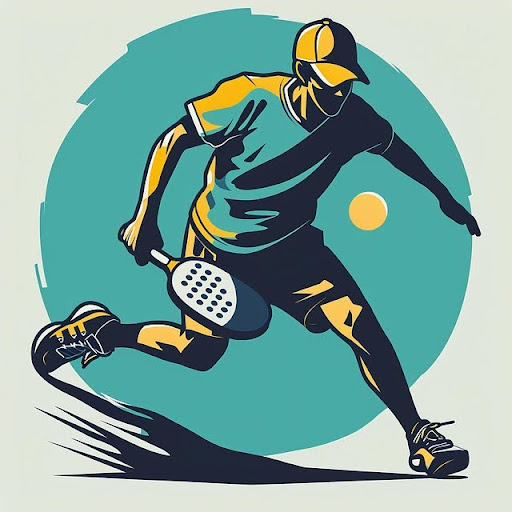
Because walls extend points and narrow finishing lanes, padel rewards early preparation and stable contact more than raw pace. Coaching should bias high-volume volley and bandeja repetitions under fatigue, plus decision drills that force choices between wall-first and direct shots. For scheduling, longer rallies increase total ball contacts per match, so 75-minute bookings with a 5-minute buffer often outperform 60-minute blocks in leagues. Facilities that add transparent back walls for spectator viewing improve atmosphere without increasing noise spill, an important factor for mixed-use sites.
Community building that retains newcomers and challenges veterans
Big participation numbers are only meaningful if new players stick. Short-format leagues with promotion and relegation preserve competitiveness while giving improvers a clear pathway. Onboarding clinics for new tennis and pickleball players that cap ratios at 6 to 1 with a 60-minute format and a published skills checklist produce better conversion to league play than ad hoc socials. For padel, host mixed-experience Americano draws where pairings change every round so beginners meet mentors organically. When players want targeted help, connecting them with a qualified Pickleball Coach or an experienced tennis or padel instructor accelerates progress and reduces frustration.
What to measure each week
Facility managers do best with a simple dashboard: peak and off-peak occupancy by sport, average wait time during open play, lesson conversion rate to leagues within 30 days, and court-changeover time. Coaches should track first-serve percentage and return depth in tennis, third-shot success and unforced errors at the kitchen line in pickleball, and net-approach success after lobs in padel. Players can keep it even simpler: two personal goals per week tied to shot quality and decision-making, plus one community action like bringing a new player to a social session.
When participation surges meet sound programming and measurable coaching, everyone wins. Courts turn over cleanly, rallies improve, and the community keeps growing with purpose.