Spend a little time around bettors from Europe and the US and you realise pretty quickly they’re not talking about the same thing. They might use the same words like odds, lines, markets but the way they approach a bet feels like two different cultures trying to solve the same problem with completely different instincts.
The first difference hits you right away. Europeans open a betting app and see decimal odds. It’s clean, almost too clean. You look at “2.10” and your mind knows exactly what that means. Americans open theirs and get hit with “+140” or “-175,” and suddenly it feels like someone handed them a stock ticker instead of a bet.
This shapes the entire mentality. Europeans think in returns. Americans think in margins. One group asks “What do I get back if this happens” and the other asks “Is this price fair” before even deciding if they like the pick. Neither is wrong, but the starting point couldn’t be more different.
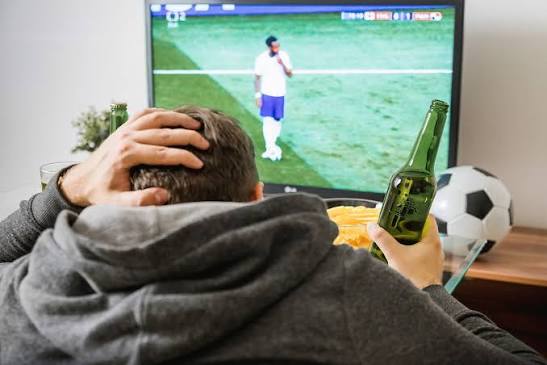
Then you look at what each side actually bets on. Europe’s world is football. Ninety minutes, one goal that changes everything, a match where the tension doesn’t stop. People watch possession shifts, fullbacks creeping higher, midfielders losing shape. Betting there becomes a conversation about rhythm more than stats. A fan feels a match slipping long before the numbers admit it.
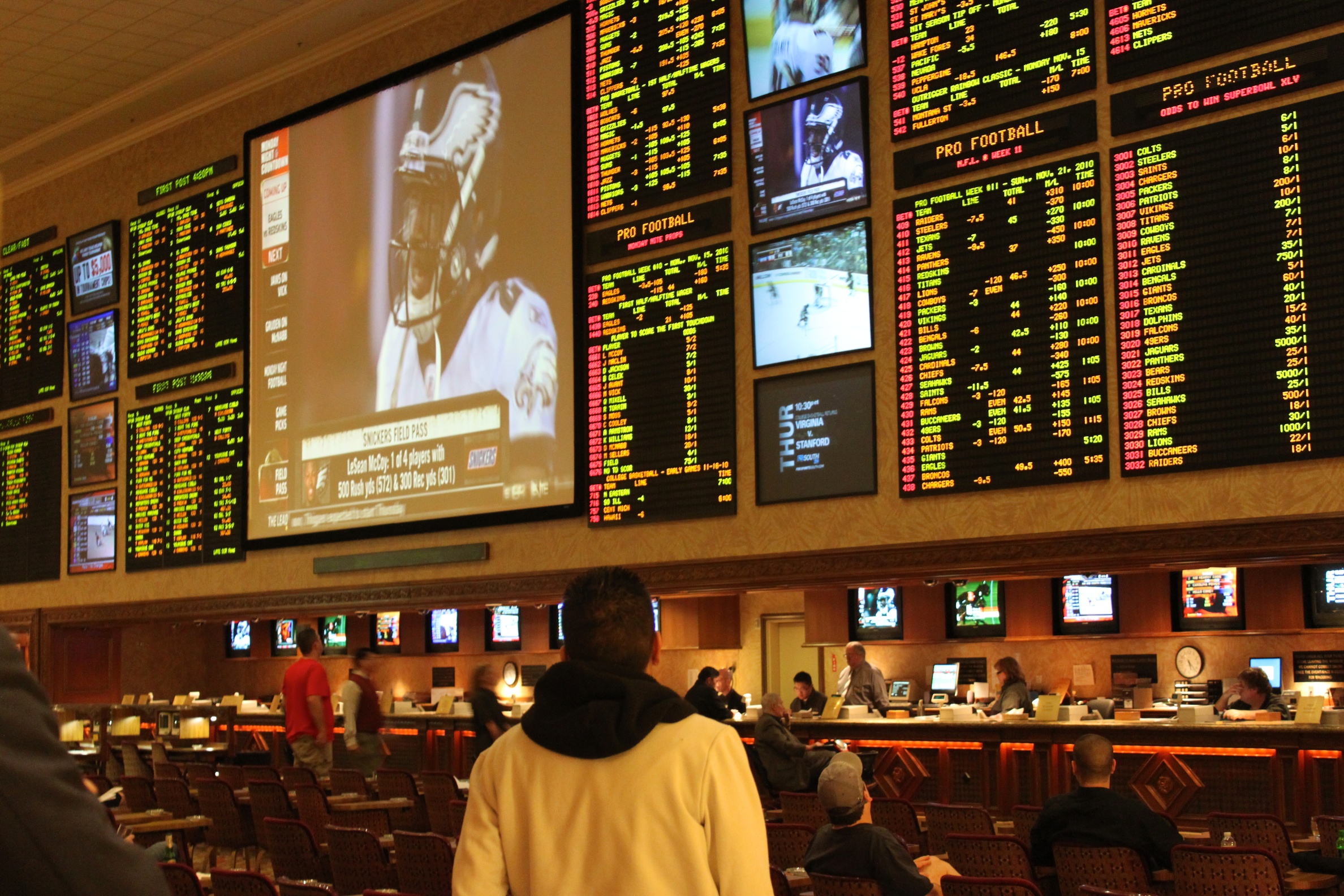
In America, it’s chaos in a different way. NBA totals, NFL props, baseball moneylines, college everything. Sports with stoppages, timeouts, breaks, long pauses that give people room to think. You don’t need to feel the match, you need to read it. There’s a stat for everything. How many passes a quarterback attempts on third down. How many shots a certain guard takes in the fourth quarter. How a pitcher behaves after seventy pitches.
The culture pushes you to analyse, not sense.
And then comes live betting like in malawi betting that use the European method, where the contrast becomes even sharper. European bettors don’t get breathing room. Football doesn’t stop. A bad five minutes can flip an entire match, and bettors chase the tiny signals like tired legs, growing panic, a winger suddenly running at defenders with more confidence than he had all game. It’s fast. Sometimes too fast.
American bettors get pockets of time. They can wait until the quarter ends, check a new line, readjust. The game tells them when to think. It’s calmer, even when the stakes aren’t.
The conversation around betting is different too. Europeans talk like they’ve been passing down wisdom for generations. Value. Form. Patience. Don’t chase. Americans talk like they’re trying to build a puzzle. Parlays, boosts, props, ladders. Half of the fun is inventing the bet itself. The ambition is bigger. The falls are bigger too.
But the strangest part is how both sides think the other is doing it wrong. Europeans think Americans make betting too complicated with all the props and boosts. Americans think Europeans ignore half the information available to them. Both are convinced their way is the “normal” way.
Yet everything is slowly blending. A guy in Manchester can now bet on Giannis’ rebounds. Someone in Chicago places a bet on corners in a Champions League match like it’s nothing. The habits bleed into each other, even if the old instincts remain.
If you strip it down, the difference isn’t confidence or knowledge or who watches more sport. It’s pace. Europe bets in flow. America bets in pieces.
Two different ways of reading the same world. Two different moods. Two different histories behind one tap on a screen.