The NFL compresses time as the season closes. Every result feels heavier because history hangs over it. Some franchises carry recent memories of confetti and Lombardi trophies. Others carry decades of waiting. Early 2026 Super Bowl odds from LeoVegas do more than rank teams by perceived strength. They quietly account for scars, habits, and how organisations behave when pressure returns. Futures markets remember what fans never forget. It's as much about looking back as it is about looking forward.
LeoVegas prices the Seattle Seahawks at 4.50 and the Los Angeles Rams at 4.75 to win the Super Bowl in early 2026. Buffalo follows at 6.50, Denver at 8.00, then New England and Philadelphia at 10.00. These odds sit alongside promotional offers, each governed by clearly stated terms and conditions that outline wagering requirements and eligibility. Those details matter because futures bets often lock money up for months. The price tells one story. The structure around it tells another. Naturally, the prices are subject to change.
Seattle, Los Angeles, and the Comfort of Recent Memory
Seattle’s position at the top reflects more than current form. The Seahawks last won the Super Bowl in the 2013 season, a relatively short wait by NFL standards. That memory still shapes market confidence. Organisations that have navigated a championship run in the modern era tend to behave calmly when stakes rise. Seattle knows how January feels.
The Rams share that advantage, of course, not that keen observers need a reminder. Their Super Bowl victory came even more recently, in the 2021 season, when they lifted the Lombardi Trophy on home turf. That win was so recent that it continues to buoy belief. Markets remember that Los Angeles can assemble talent, absorb pressure, and finish the job. At 4.75, the odds price in that institutional self belief.
Buffalo and the Weight of Never
Buffalo’s 6.50 carries emotional freight. The Bills have never won a Super Bowl. Their four consecutive losses in the early 1990s remain one of the league’s most enduring stories. Are they simply doomed to always be a bridesmaid? Every promising season reopens that chapter. Markets recognise Buffalo’s talent and consistency, yet they stop short of full trust.
That hesitation shows how history influences arithmetic. Buffalo’s odds acknowledge that the team often arrives at the door without stepping through it. Futures pricing respects potential while accounting for psychological gravity. We wouldn't back against them making the trip, but any arrival will come with a lot of baggage.
Denver and New England Know the Path
Denver’s 8.00 reflects a franchise that understands the route. The Broncos last won the Super Bowl in the 2015 season, closing the Peyton Manning era with a defence-first triumph. That win still informs perception. Denver knows how to grind through ugly games, an important quality when it comes to the business end of the season, and markets value that familiarity.
New England sits at 10.00 with similar advantages. The Patriots last claimed the Super Bowl in the 2018 season, capping a dynasty that defined the league for two decades. Even as rosters change, the organisation retains credibility. There is a belief that the winning culture has been absorbed by the current stars. Futures markets continue to price that legacy into expectations.
Philadelphia, Relief Still Fresh
Philadelphia, the reigning champion, shares 10.00, buoyed by a more recent release of tension. The Eagles won their first Super Bowl in the 2017 season, ending a long wait that had shaped the franchise’s identity. That breakthrough altered how the team approaches big moments. Their 2025 victory showed that it remains in their DNA.
That shift matters late in the season. Teams that have shed historic baggage often play looser football. Odds respond accordingly.
Houston, Chicago, and Waiting Games
Houston at 13.00 reflects both promise and absence. The Texans have never reached a Super Bowl, let alone won one. Markets like their upward trajectory but hesitate to assume postseason composure before it appears. Prove 'em wrong, Houston.
Chicago’s 15.00 carries the longest wait among teams that have tasted victory. The Bears last won the Super Bowl in the 1985 season, a date that has become cultural shorthand rather than recent memory. Every promising Bears season invites nostalgia. Instead of getting caught up in that wistful stroll down memory lane, markets respond with restraint.
San Francisco, Los Angeles, and Pittsburgh
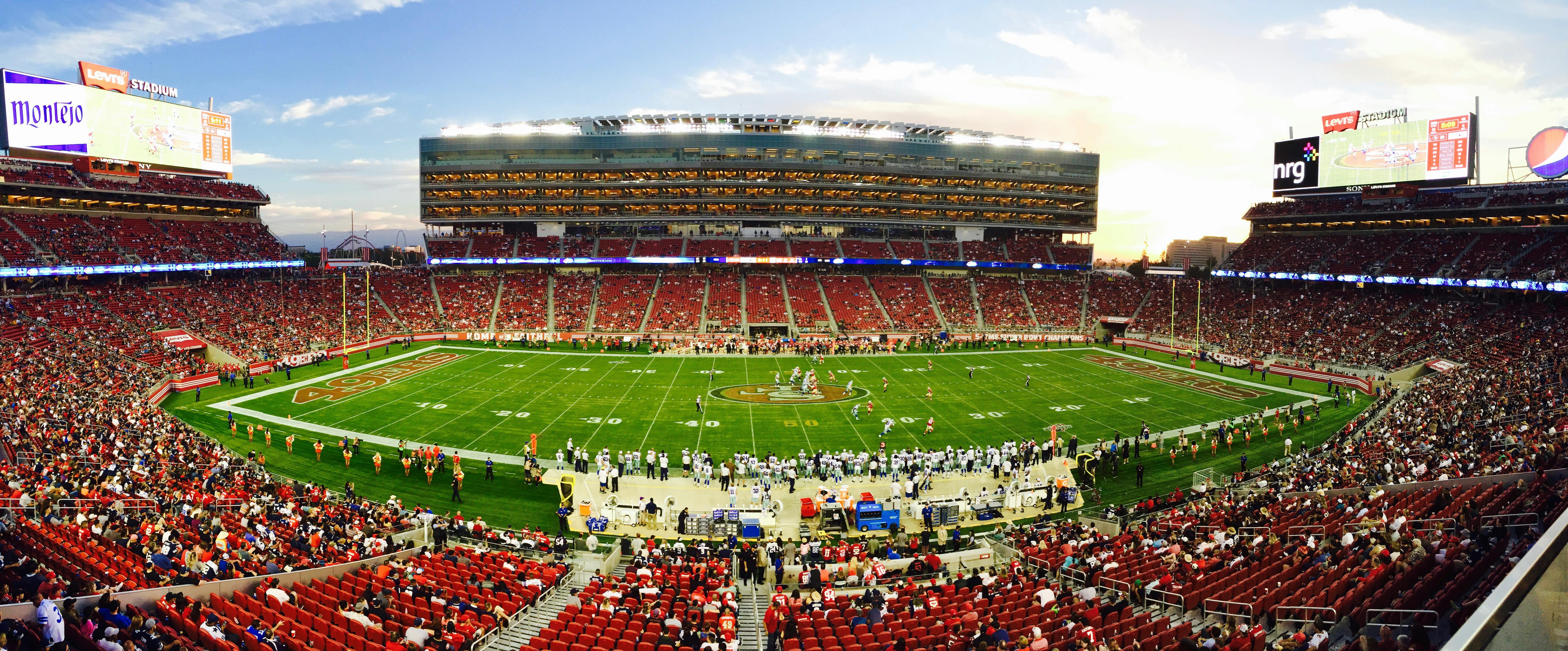
San Francisco’s 21.00 reflects a proud history that grows more distant each year. The 49ers last won the Super Bowl in the 1994 season. That pedigree still commands respect, yet markets demand present-day confirmation.
The Chargers at 31.00 remain in unfamiliar territory. The franchise has never won a Super Bowl and has yet to appear in one under its current Los Angeles identity. Talent alone no longer shortens odds.
Pittsburgh’s 51.00 feels stark given its history. The Steelers last won the Super Bowl in the 2008 season, and their six titles still stand as a league record. Markets recognise stability but doubt current contention.
Why History Still Moves Numbers
Futures markets remember patterns. Teams that have endured long droughts often carry added pressure when moments arrive. Teams with recent success trust their processes. Studies on sports psychology show that experience under pressure improves decision making and emotional regulation. Markets price that advantage quietly.
As the regular season ends, motivation and memory intertwine. A franchise chasing its first title behaves differently from one defending legacy. Odds reflect that distinction.
Reading the Board as a Chronicle
LeoVegas Super Bowl odds act as a living chronicle. Seattle and Los Angeles sit near the top because recent success still echoes. Buffalo’s price carries history’s weight. Denver, New England, and Philadelphia benefit from knowing how the story can end. Others wait, hope, and attempt to rewrite themselves.
In the NFL’s final weeks, futures odds do more than suggest outcomes. They remind readers how long winning lasts, how long losing lingers, and why some teams feel comfortable in January while others tense up. Understanding that history makes the numbers more than decimals. It turns them into context.