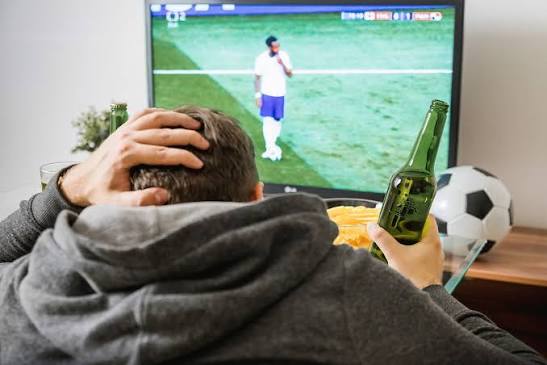
Fantasy football stress is real, and it follows a predictable pattern: your starting running back is scratched ninety minutes before kickoff, your survivor pool pick gets eliminated in Week 6, and you've refreshed ESPN four times in eight minutes waiting for a score update that isn't going to change anything.
According to research from the American Psychological Association, roughly 75% of adults report that sports-related stress affects their mood and daily functioning during active seasons. Managing pool anxiety and weekly lineup decisions can quietly grind down what started as a fun hobby.
The Dark Side of Game Day Fun
The six habits below are low-effort resets rather than a strict therapeutic program. Think of them as small adjustments to how you engage with the season. They offer straightforward ways to stay in the game without letting the sport own your Sunday.
1. Use Physical Stress Relief to Decompress
Game-day tension rarely stays in your head. It settles into tight shoulders and restless legs, making it harder to fall asleep long after the final whistle. Your body processes competitive stress just like physical exertion, meaning it needs an active release rather than a digital distraction.
Heat therapy serves as a basic physical reset to naturally lower cortisol levels, as research demonstrates decreased cortisol during sauna treatments. To successfully unwind after game day, bringing an infrared sauna for wellness from Sun Home Saunas into your personal space provides immediate relief. Using an infrared sauna for stress relief requires zero new techniques, turning passive warmth into an easy Sunday evening habit.
Pro Tip: Transform game-day tension into relaxation: just 20 minutes in an infrared sauna after the final whistle can lower cortisol and activate your body's rest-and-digest response, no effort required.
2. Set Boundaries on Score-Checking
Compulsive score-refreshing acts as the default behavior for most fantasy participants. Each refresh triggers a micro-anticipation loop that reactivates stress hormones whether the number you see is good or bad. Your brain responds to the uncertainty itself.
The fix is setting a strict rule for two designated check-in windows per game. You only look at your phone at halftime and the final whistle. This method requires less effort while yielding the same score at the end of the day.
3. Build a Pre-Game Wind-Down Routine
Most fantasy players cycle through lineup anxiety and last-minute waiver decisions before a single snap is played. A short buffer before kickoff interrupts that spiral before it builds momentum. Taking a quick walk, eating a meal, or listening to a non-sports playlist all work well to shift your focus.
Simple routines signal the brain to switch out of anticipatory stress mode. Since the activity itself does not need to feel rigid, it just needs to be something you genuinely enjoy doing before the chaos begins.
Quote: The routine doesn't need to be disciplined; it just needs to be something you genuinely enjoy doing before the chaos begins.
4. Stay Social During a Losing Streak
A bad week creates a powerful temptation to mute the league forum and skip the local watch party. Because giving in to that isolation instinct consistently makes a losing streak feel heavier, the counterintuitive move is to lean straight into the group chat and accept the smack talk.
Connection acts as the best buffer against deep frustration. Sports communities are built on collective suffering, making a dismal record much more bearable with witnesses. Staying involved preserves the humor and rivalry that make the league worthwhile in the first place.
5. Take a Mid-Season Break
Burnout typically peaks right around the middle of the schedule as the playoff picture starts to clarify. Taking a mental bye week helps counteract that massive spike in urgency and pressure. Commit to one full weekend where scores are checked minimally and football steps out of the spotlight.
Stepping back entirely for a few days does not mean you are quitting, because your league standings will remain the same when Monday morning rolls around. Brief disengagement renews enthusiasm and helps prevent you from burning out before the playoffs begin.
Important: Burnout hits hardest between Weeks 8 and 10. If you don't schedule a mental bye week, you risk losing enthusiasm right when the playoff push demands peak engagement.
6. Build in Recovery Time After High-Stakes Weeks
Certain losses leave an emotional residue that a single night of sleep simply cannot clear out. Survivor pool eliminations and missed trade deadline decisions linger long after the prime-time broadcast ends. Finding effective relaxation for sports fans and practicing football season self-care requires setting up firm boundaries immediately following these frustrating moments.
Start with a slow Monday morning and block all sports recap sites until the afternoon. Prioritize strong sleep on Sunday night before the negative thought loops begin to spiral out of control. Returning to reliable physical routines limits the fallout, since studies show that regular recovery practices help the nervous system adapt effectively to physiological stress.
The Bottom Line
The rivalry and the weekly ritual of watching matches with friends represent the true value of the season. The final scoreboard is secondary. Protecting that experience requires strict boundaries on scrolling and finding dependable physical outlets to release game-day tension.
Building home heat therapy into your Sunday evening routine stops adrenaline from disrupting your sleep schedule. Combined with planned mental breaks and social connection, these small habits preserve your enthusiasm for the sport.
Author Profile: Sun Home Saunas is America's fastest-growing consumer services company specializing in premium home wellness equipment, specifically award-winning residential saunas and cold plunge therapy systems.