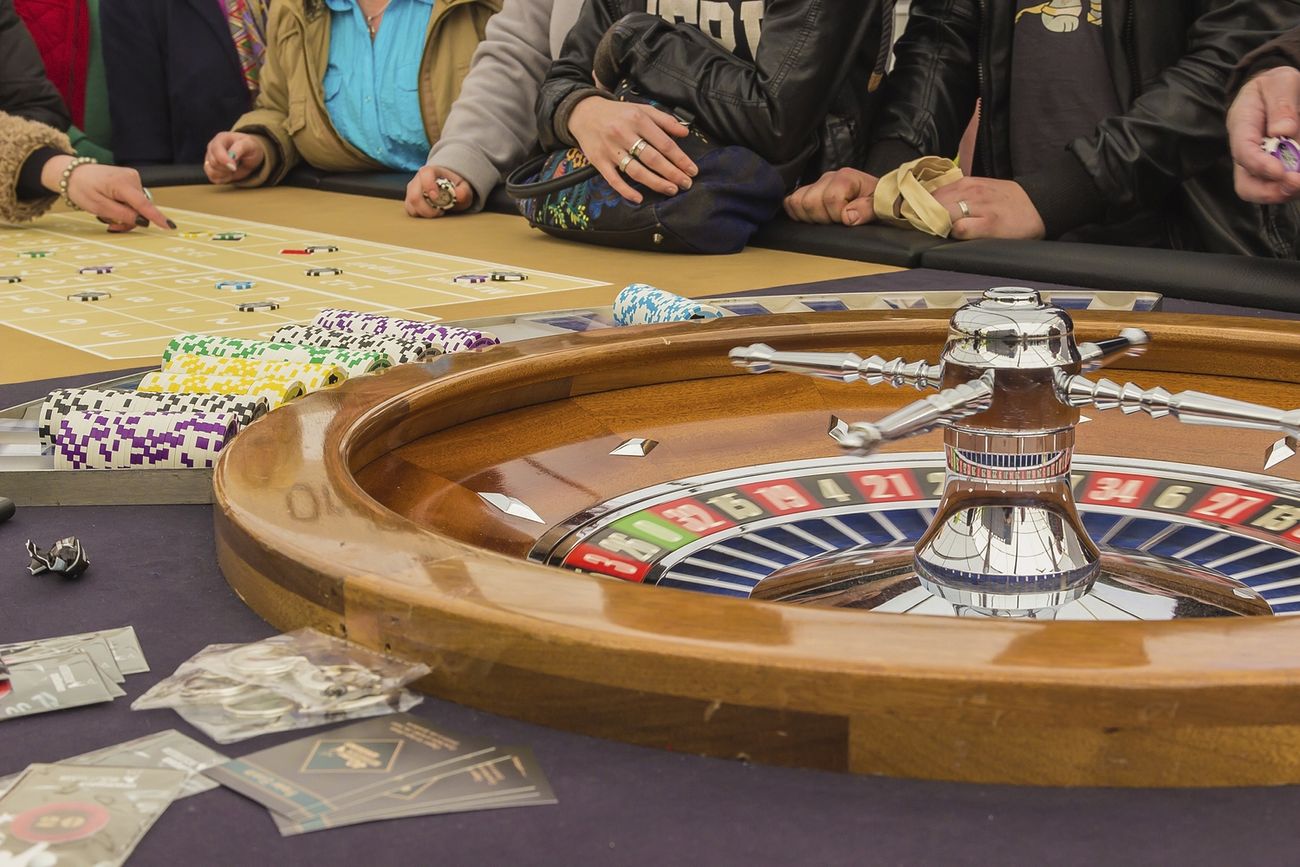
Compulsive gambling, also called gambling disorder, happens when the desire to bet overpowers common sense. It is not about having fun on the weekend; it is about a repeating urge that will not let go, even when money, family, or job are at risk. While searching for a casino bonus, people often read guides that list promotions ranked from best to worst bonus offer before claiming a welcome bonus. For most adults that quick search is harmless. For someone with gambling disorder, however, the same click can open a floodgate of cravings. Understanding how the illness hides, how it grows, and how it can be treated is the first step toward healing. This article breaks the topic into clear pieces. It looks at the warning signs, the roots of the problem, and the proven paths to recovery. Every section is written in plain language so parents, friends, and gamblers themselves can spot trouble early and find practical help. The guide also clears up myths, like the idea that only careless people become addicted, and shows why early action saves money and relationships.
Recognizing the Signs of Compulsive Gambling
Because gambling looks like normal entertainment, early warnings often pass unnoticed. A person with a problem may talk non-stop about odds, sports lines, or slot patterns. They get restless when not playing and feel a rush of relief as soon as the first bet is placed. Bills pile up, yet the gambler swears that one “big win” will fix everything. Borrowed money, hidden credit cards, or missing household items can signal that betting has turned into desperation. Mood swings are another clue. Joy appears during a win, but anger or deep sadness follows the inevitable loss. Some people skip work or miss school events, inventing excuses that grow more tangled each week. Family members sometimes sense the truth only after noticing that time and money keep disappearing. Health can suffer too; sleepless nights and constant stress steal energy from daily life. Spotting several of these signs together should prompt a serious talk and, if possible, an evaluation by a qualified mental-health professional. Early help can stop the slide into larger debts and reduce the shame that keeps many sufferers silent.
Understanding Why Gambling Becomes an Addiction
Compulsive gambling is not the result of weak willpower. Modern brain scans show that gambling activates the same reward circuits triggered by drugs. When a person wins, the brain releases dopamine, a chemical that shouts, “Do that again!” Over time, the brain craves bigger bets to reach the same thrill. Genetics can add fuel; people with family histories of addiction have higher risk. Environment matters as well. Easy access to online casinos, betting ads on every screen, and friends who gamble can normalize risky play. Stress, loneliness, or depression often push people toward betting as a quick escape. Sadly, the temporary lift soon fades, leaving guilt and more stress behind. This cycle mirrors other addictions. Each loss encourages a “chase” where the gambler believes the next spin will restore order. Understanding these forces removes shame. It shows that gambling disorder is a medical condition shaped by biology, psychology, and social pressures, not a simple choice that someone can just stop. Public policy counts, too; when states lower betting limits or restrict ads near schools, reported cases of youth gambling decline.
Treatment Options That Work
Help for compulsive gambling comes in several proven forms, and combining them often gives the best results. Cognitive-behavioral therapy teaches people to identify triggers, challenge false beliefs about odds, and replace harmful routines with healthy ones. Sessions are short, practical, and focused on today’s choices. Peer support is another key. Groups like Gamblers Anonymous provide a safe space to share victories and setbacks with others who truly understand. Medical care may be needed too. Some medications that balance mood or reduce obsessive urges have shown promise, especially when depression or ADHD is present. Financial counseling can relieve pressure by setting up budgets, limiting access to cash, or installing blocking software on phones and computers. For severe cases, inpatient treatment offers round-the-clock supervision away from tempting cues. Family therapy is often added so everyone learns new boundaries and communication skills. No single path fits every person, but when a tailored plan is followed with patience, recovery rates improve greatly. Digital apps now offer daily mood check-ins, reminders to attend meetings, and instant chats with counselors, adding support between formal sessions.
Supporting Recovery and Preventing Relapse
Recovery starts the day a gambler admits the problem, but real change requires ongoing support. Loved ones can help by praising honest talk, not by acting as loan officers. If debts are covered quietly, the disorder may keep growing in secret. Practical steps, such as handing control of bank accounts to a trusted partner and setting daily spending limits, build a safety net. Technology helps too; self-exclusion tools block access to online betting sites with a few clicks. Many people create replacement routines to fill the time once spent gambling. Walking the dog after dinner, joining a sports league, or learning guitar can satisfy the brain’s need for excitement in healthier ways. Warning signs of relapse include remembering only wins, skipping support meetings, or hiding phone screens. When these flags appear, swift action—calling a sponsor, attending extra therapy, or revisiting financial safeguards—can steer the gambler back on track. Recovery is a journey, and slip-ups are learning moments, not failures. Celebrating milestones, such as thirty gambling-free days, reinforces progress and builds confidence that the new life is attainable and lasting.