Office pools were never really about the money. In most workplaces, they existed as a small social ritual. Something to talk about over coffee. A reason to message a colleague you would otherwise barely speak to.
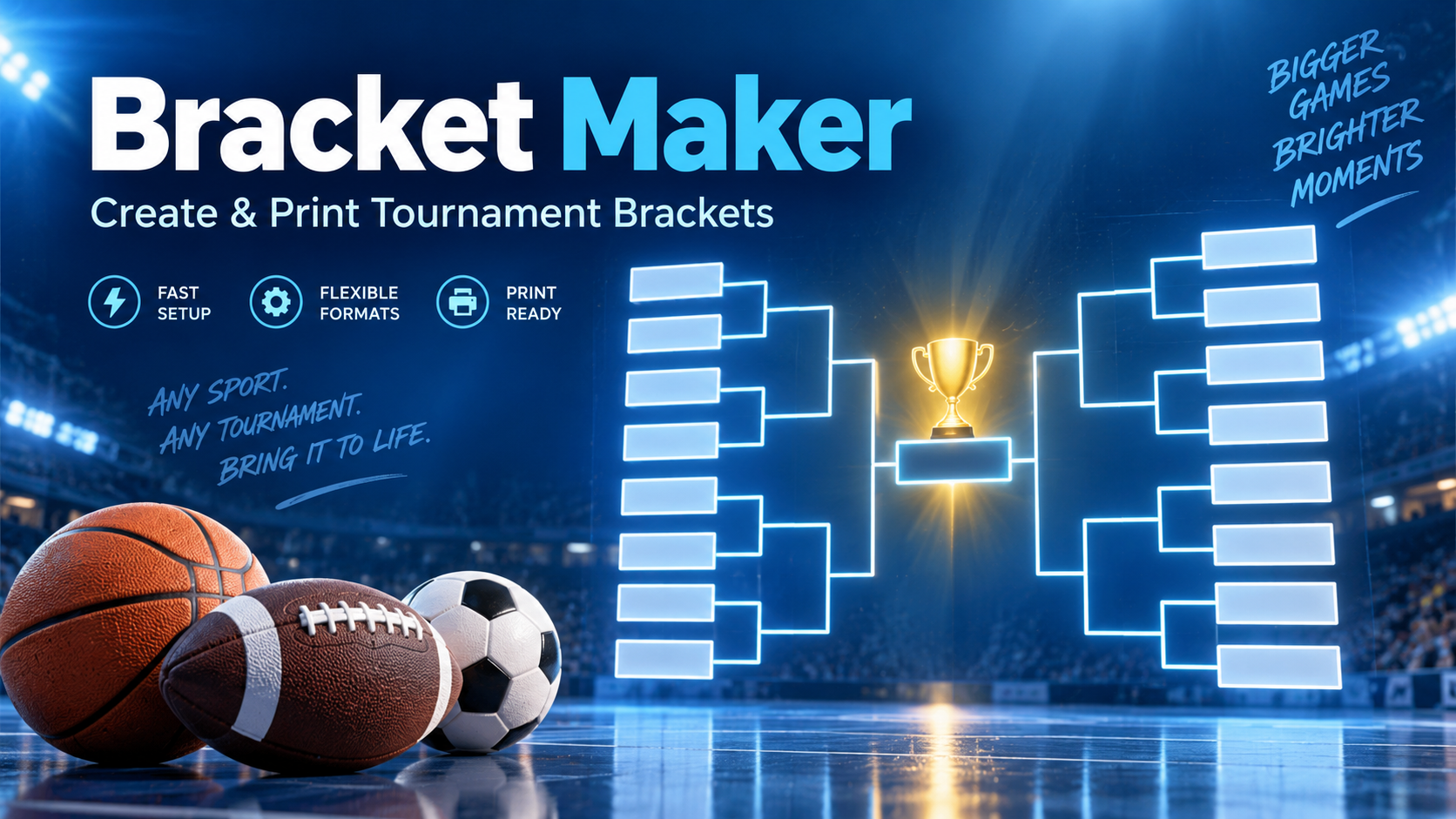
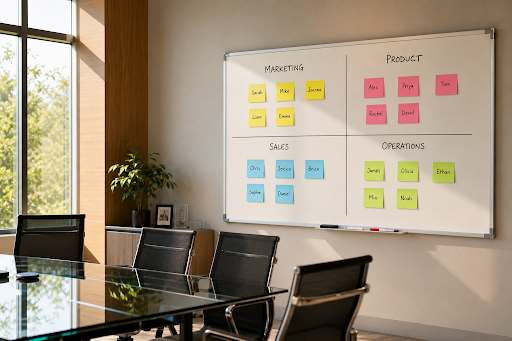
What has changed over the years is not the instinct, but the setting. As offices became more digital, many of these side traditions moved with them. Whiteboards disappeared. Paper brackets turned into links. And habits that once lived in break rooms slowly shifted online.
Office Pools as a Normal Part of Work Life
Surveys of workplace behaviour make one thing clear. Office betting pools are common, not marginal.
In one widely cited study, around 70% of employees said they had taken part in an office pool at some point. Even more telling, 79% described workplace betting as acceptable, often framing it as a way to build relationships rather than a serious financial activity.
Another survey looking at both sides of the hierarchy found similar results. About 74% of employees and 70% of managers reported participating in office betting pools. That overlap matters. It suggests these activities are not hidden or frowned upon. In many workplaces, they are quietly normalised.
Once something becomes normal at work, it rarely feels risky. It becomes routine.
From Office Rituals to Digital Platforms
As teams spread across locations and remote work became more common, office pools adapted. What used to be organised with paper and envelopes shifted into shared documents, group chats, and eventually dedicated platforms designed specifically for pools and prediction games.
Digital tools made participation easier. Remote staff could join in. Scores updated automatically. Rankings stayed visible. The social element survived, just in a different form. Behind that shift, game server hosting plays a quiet but essential role - keeping pools running smoothly, scores syncing in real time, and hundreds of participants connected without downtime.
Research into workplace gambling behaviour helps explain why this transition felt so natural. Repeated exposure through colleagues plays a major role in normalising betting-related activities. When everyone around you treats it as harmless fun, the behaviour blends into everyday routines without much reflection.
When Competition Turns Into Habit
Office pools do more than ask people to predict outcomes. They train a certain way of thinking. Tracking progress. Watching rankings shift. Reacting to small wins and losses.
Over time, that mindset can carry over into other areas. Not because people are chasing money, but because they enjoy the structure.
For many workers, the appeal looks like this:
- low effort participation
- clear outcomes and rankings
- a sense of progress without long-term commitment
Those same ingredients show up across a wide range of online games and prediction formats.
A Broader Context of Adult Online Gaming
This shift also fits into a much wider trend. Online gaming is already part of adult life for many people, including office workers.
A 2024 survey in the United States found that 76% of adults play video games in some form. More than 54% use a smartphone for regular gaming. In the UK, similar studies show growing adult participation, with average online playtime sitting at around 7.5 hours per week.
In that context, the move from office pools to other online games does not feel dramatic. It feels incremental. One habit sits comfortably next to another.
Casual Gaming Outside the Office
Not all online gaming connected to office culture is social or competitive. Some of it is casual and private. Played alone, usually after hours, often on a phone.
This is where the ecosystem widens. People who enjoy structured competition at work may also gravitate toward simple games that require little thought or commitment.
For some workers, the same instinct that makes office pools enjoyable eventually spills into more overt forms of online gaming. That can include fantasy contests, prediction games, or casual slot titles like dog house slot, played at home rather than discussed openly at work.
The key point is not the game itself. It is the pathway. Office culture lowers the barrier to participation by making game-like behaviour feel familiar.
Social Permission Matters More Than Stakes
One reason office pools persist is that they offer social permission. They frame betting as communal, light, and bounded. That framing sticks.
Behavioural research consistently shows that people are more likely to engage in activities that are socially endorsed, even when money is involved. Office pools work because they feel safe and shared, not because of the potential payout.
When those same people encounter online gaming later, the activity does not feel foreign. It feels adjacent to something they already know.
The Role of Platforms Like OfficePoolStop
Platforms built around office pools sit in a unique position. They are not gambling products in the traditional sense, but they mirror many of the same mechanics. Predictions. Rankings. Outcomes. Small rewards.
Their popularity highlights something important. Demand is not driven by risk alone. It is driven by structure. People enjoy frameworks that turn everyday events into something participatory.
As work becomes more flexible and digital, these platforms help keep small rituals alive without forcing them into more serious or risk-heavy environments.
Where This Trend Is Likely Heading
Office culture is unlikely to abandon pools anytime soon. If anything, remote and hybrid work makes digital versions more relevant, not less.
What may change is awareness. As online gaming becomes more visible, companies and individuals are paying closer attention to boundaries. Where office fun ends. Where personal risk begins.
For most people, office pools will remain exactly what they have always been. Harmless. Temporary. Social. But their influence on broader online gaming habits is real, even if it is subtle.
Office culture does not create gamblers. It creates comfort with prediction, competition, and tracking outcomes. In a digital world, that comfort travels easily.