NFL fandom used to follow a fairly simple rhythm. Fans watched the game on television, checked the box score later, argued about the referee’s call, and waited for the next sports column or radio show. That version still exists, but it now shares space with live data, second-screen habits, short-form clips, fan chats, and streaming packages that split games across platforms.
This change has also pulled football closer to other digital entertainment habits. A fan may watch a Thursday night game, check player props on a sportsbook app, follow fantasy scores, and compare betting offers in the same evening. In Canada, for example, a search for the top online casino for Ontario players can sit next to searches for NFL odds, game previews, and live stats because fans often move between sports media, betting content, and casino-style platforms within the same digital routine.
The Screen No Longer Works Alone
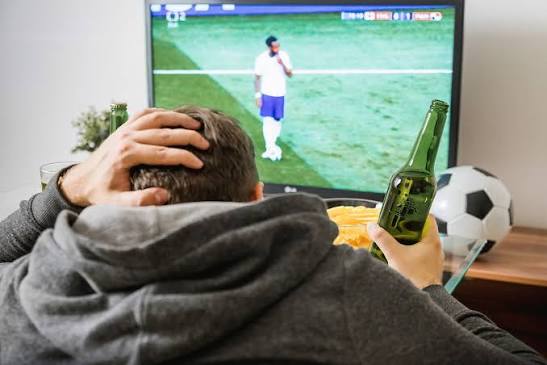
The television remains the center of NFL viewing, especially for big games. Yet many fans now treat the main screen as only one part of the experience. A phone or tablet fills the quiet seconds between plays with injury updates, win probability charts, memes, group chats, and fantasy matchups.
This second-screen habit changes attention. Fans do not simply react to the score. They track small details: target share, snap counts, quarterback pressure, field position, weather, and coaching decisions. A three-yard run can affect a fantasy matchup. A missed extra point can change a bet. A backup wide receiver can become the most discussed player in a group chat because one manager started him out of desperation.
The game becomes more personal that way. Not always deeper, but more specific. Two people can watch the same matchup and care about completely different plays.
Data Gives Fans a Sharper View
Advanced statistics have changed the way people talk about football. Fans once leaned on passing yards, touchdowns, interceptions, and rushing totals. Those numbers still matter, but they no longer carry the full conversation.
The NFL’s Next Gen Stats system tracks player movement through RFID tags and stadium receivers, turning speed, separation, acceleration, and field position into usable data. That information has changed broadcasts, fantasy analysis, coaching debates, and post-game content.
Fans now discuss ideas that once stayed inside team facilities or analyst rooms. For example:
- Time to throw can explain why a quarterback looks rushed before pressure reaches him.
- Separation data can show whether a receiver created space or benefited from a defensive mistake.
- Expected completion probability can add context to a throw that looked simple on live television.
- Ball-carrier speed can turn a routine replay into a clearer look at athletic difference.
These numbers do not replace the eye test. They add another layer. A fan can still enjoy a brutal stiff-arm or a perfect deep ball without checking a chart. But when the debate starts, data gives people better tools than memory and mood.
Streaming Changes Fan Loyalty
Streaming has made NFL access more flexible, but also more fragmented. Fans can watch on phones, tablets, smart TVs, and laptops. They can follow games outside the living room, during travel, or from places where cable never made sense.
At the same time, different packages, regional rules, exclusive games, and app subscriptions can make the schedule feel less straightforward than it used to. The NFL+ service adds mobile viewing, live audio, replays, and other digital features, but fans still need to understand where each game lives.
This has created a new kind of fan behavior. People now plan viewing access almost like they plan a lineup. Which service has this game? Is it local? Can I watch live on mobile? Does the bar down the street carry the package? For loyal fans, the answer usually appears before kickoff. For casual fans, confusion can turn into missed games.
Social Platforms Rewrite the Monday Debate
The old football argument happened at school, work, the bar, or on talk radio. Now it happens instantly. A bad clock-management decision becomes a clip within minutes. A referee call gets frozen, zoomed in, slowed down, and argued over by thousands of people before the next drive ends.
This speed changes how fans judge the game. Coaches face criticism before they reach the locker room. Players become memes after one mistake.
Social media also gives niche fans a place. Some people follow salary-cap experts. Others prefer fantasy analysts, uniform accounts, or team-specific beat writers. NFL fandom can now offer many smaller conversations, and fans choose the rooms they trust.
What This Means for the Next Fan
The NFL has not lost its old appeal. People still gather for rivalry games, playoff pressure, fantasy drafts, tailgates, and Super Bowl parties. Technology has changed the texture around those habits rather than removing them.
Modern fans want choice, speed, context, and control. Some fans use every tool available; others only want the game on a big screen and a few friends nearby. Both types still belong to the same sport. The difference is that NFL fandom now encompasses a broader range of preferences.