Eating in a calorie deficit does not mean living on tiny portions, bland salads, and foods you do not enjoy. A well-planned diet can still include satisfying breakfasts, flavorful dinners, desserts, and snacks. The main principle is simply to consume fewer calories than your body uses while choosing foods and portions that make this approach comfortable enough to maintain. A few practical strategies can make everyday meals far more enjoyable without making calorie control unnecessarily difficult.
Herbs, Spices, and Lighter Sauces
One of the easiest ways to make lower-calorie meals enjoyable is to focus on flavor rather than simply removing ingredients. Garlic, chili, smoked paprika, curry powder, fresh herbs, lemon juice, vinegar, mustard, and soy sauce can transform basic foods without adding large amounts of calories.
Sauces can also be prepared differently. Instead of using large quantities of mayonnaise or heavy cream, try Greek yogurt mixed with garlic, herbs, lemon juice, and seasoning. Tomato-based sauces are another versatile choice for pasta, meat, vegetables, and homemade pizza. These small adjustments allow meals to remain rich in flavor while making their calorie content easier to manage.
Choose High-Volume Foods
Large portions do not always mean large numbers of calories. Vegetables such as zucchini, mushrooms, broccoli, cauliflower, tomatoes, peppers, cucumber, and leafy greens can significantly increase the size of a meal. This is particularly helpful for people who dislike the feeling of eating small portions.
Fruit can play the same role when you want something sweet. Strawberries, watermelon, oranges, apples, and other fruits can provide a satisfying dessert or snack while adding useful variety to a calorie-controlled diet.
Better Choices for Snacks
A calorie deficit should also work on evenings when you simply want to relax. Someone watching a tournament, checking Todays football predictions, and spending a few hours following the action can still enjoy snacks without turning the evening into an unplanned calorie overload.
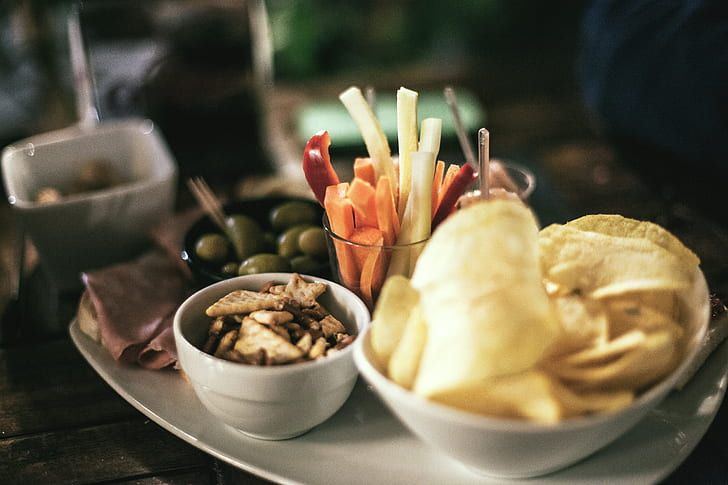
Air-popped popcorn can be seasoned with paprika, garlic powder, or herbs. A Greek yogurt dip served with vegetables or baked tortilla pieces is another easy option. There is also nothing wrong with choosing traditional snacks occasionally. If you want crisps, chocolate, or biscuits, place a reasonable portion in a bowl rather than eating directly from a large package. This simple habit makes it easier to enjoy your favorite food while remaining aware of the amount you are eating.
Lower-Calorie Alternatives
Many popular dishes can be adapted without losing the characteristics that make them enjoyable. A homemade burger can include lean beef or chicken, plenty of vegetables, a flavorful sauce, and oven-baked potato wedges. The same idea works with pizza. A thinner base, tomato sauce, a moderate amount of cheese, vegetables, and lean protein can create a satisfying homemade version. Pasta dishes can use tomato-based sauces or lighter creamy sauces made with yogurt or blended cottage cheese.
Leave Space for the Foods You Enjoy
A calorie deficit does not have to be based on strict rules and forbidden foods. In fact, completely eliminating everything you enjoy can make a diet much harder to follow. If you enjoy chocolate, plan a few pieces after dinner. If you know you are going to a restaurant in the evening, choose lighter meals earlier in the day instead of avoiding the restaurant altogether. If pizza is your favorite weekend meal, simply account for it when planning the rest of the day.
The goal is not to create a diet that is perfect on paper but difficult to maintain in real life. Flavorful meals, sensible substitutions, high-volume ingredients, and controlled portions can make a calorie deficit surprisingly flexible. When you stop treating enjoyable food as something that must be avoided, maintaining a balanced approach often becomes much easier.
.jpg)