There was a time when being a sports fan meant being in one place at one time. You were at the stadium, or you were at home in front of the television, or you were catching the score on the radio during the commute home. The experience was largely defined by wherever you happened to be when the game was on.
That model has not disappeared, but it has been fundamentally expanded. The smartphone changed what it means to follow sport, and the change has been more comprehensive than most people appreciate when they are living through it. The modern sports fan does not simply consume sport, they participate in it across multiple platforms, simultaneously, from wherever they happen to be standing.
The Second Screen Became the First Screen
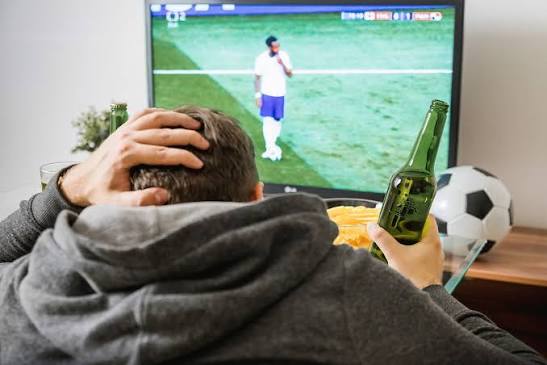
The shift started with what broadcasters called the second screen problem. Viewers were watching games on television while simultaneously using their phones to check stats, follow commentary, debate plays on social media, and track fantasy sports scores. The phone was supposed to be the secondary experience, supplementing the main broadcast.
What happened instead was that for many fans, the hierarchy quietly reversed. The phone became the primary way of engaging with a game, and the television became background. This was especially true for younger fans who had grown up with smartphones and for whom the multi-platform experience felt entirely natural rather than novel.
The numbers reflect this shift consistently. Broadcast ratings for major sports have not collapsed, but the composition of how fans engage with any given game has changed significantly. A fan watching a Sunday NFL matchup might simultaneously have a fantasy app open, be checking their office pool standings on a platform like OfficePoolStop, running a group chat with their pick'em league, and following a separate game on a streaming service. The single-screen, full-attention model of sports consumption is increasingly a minority experience.
Fantasy Sports and Office Pools Rewired Fan Behaviour
No development has changed how sports fans engage with games more fundamentally than fantasy sports and office pools. By giving fans a personal stake in individual player and team performance rather than simply game outcomes, these formats transformed passive viewing into active participation.
A fan who might have tuned out a late-season game between two teams outside their interest suddenly has a reason to care about every completion, every rushing yard, every field goal. The game within the game created attention that broadcasters and leagues could not have manufactured on their own.
Office pools extended this dynamic to casual fans who had no interest in the weekly commitment of managing a full fantasy roster. A March Madness bracket, an NFL survivor pool, or a weekly pick'em contest gives a more accessible entry point to the same underlying experience: a personal stake that makes every result matter. The social element of office pools, the shared spreadsheet, the group chat, the bragging rights, added a community layer that pure fantasy sports sometimes lacked.
Both formats depend on the smartphone. Managing a roster, checking results, updating picks, and following the group conversation all happen on mobile. The office pool has become a mobile-first experience, which is a significant departure from its origins as a paper sheet passed around the break room.
Sports Betting Goes Mobile and Changes the Landscape
The legalisation of sports betting across a growing number of US states has added another layer to the mobile sports fan experience. Where fantasy sports and office pools had already established the habit of having a financial stake in game outcomes, regulated sports betting formalised and expanded it.
Mobile sportsbook apps now allow bettors to place wagers, track live odds, cash out positions, and receive push notifications on scoring events, all from the same device they are using to watch the game. The integration between live sport and mobile betting has become seamless in a way that the pre-legalisation era could not have anticipated.
The American Gaming Association has tracked the growth of legal sports betting in the US since the Supreme Court's 2018 ruling that opened the market to individual states, reporting that handle, the total amount wagered, has grown into the tens of billions of dollars annually within a few years of legalisation. The mobile channel accounts for the overwhelming majority of that volume, which tells you something definitive about how sports fans prefer to engage with betting when the option is properly available to them.
The Entertainment Ecosystem Around Sport
What the mobile era has created, beyond any single platform or format, is an entertainment ecosystem that surrounds sport rather than simply delivering it. A sports fan's phone on game day is not just a sports device. It is the hub through which they manage their fantasy team, check their pool standings, place a bet, follow a second game, and fill the gaps between action with whatever else they happen to enjoy.
That last category is worth examining. The periods between action in any sport, halftime, timeouts, breaks between quarters, rain delays, the gap between Sunday's late game ending and next week's slate beginning, create blocks of time that fans are already primed to fill on their phones. The transition from sports content to other mobile entertainment is seamless and habitual.
Mobile gaming has benefited from this dynamic more than most entertainment categories. UK-licensed platforms like mrq mobile slots have built their product specifically for the kind of quick, low-friction session that fills a natural break. MrQ offers 900+ HTML5 slot games from providers including Pragmatic Play, Blueprint, and Red Tiger, titles like Big Bass Bonanza, Bonanza Megaways, and branded slots featuring Rick and Morty and The Goonies, all playable directly from a mobile browser with no app download needed. Free spins carry no wagering requirements, meaning any wins pay out in cash immediately. For a sports fan already on their phone between quarters or waiting for the late game to kick off, it is the kind of platform that fits without asking anything extra.
The Live Experience Has Changed Too
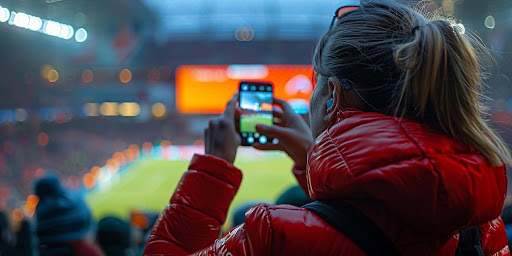
The transformation is not limited to fans watching from home. The in-stadium experience has been reshaped by mobile just as significantly, if less visibly.
Stadium WiFi infrastructure has been upgraded at major venues to support tens of thousands of simultaneous connections, because teams and leagues understand that fans will not put their phones away during games and fighting that reality is a losing battle. The question became how to integrate the phone into the stadium experience rather than compete with it.
The results include official apps that offer in-seat food ordering, instant replay access, alternative camera angles, live stats, and betting integrations at venues in states where it is legal. A fan at an NFL game in 2026 can watch the same play from four angles, order a beer without leaving their seat, check how their fantasy team is performing, and place a live bet on the next drive, all without disturbing the person next to them.
Whether this enriches the stadium experience or dilutes it is a genuine debate among fans of different ages and temperaments. But it is the reality of what attending a live game now looks like for a significant portion of the crowd.
What Has Not Changed
For all the transformation of the surrounding ecosystem, the core of what makes sport compelling remains what it has always been. The unpredictability of the outcome. The excellence of the athletes. The shared experience of following something that genuinely matters to you.
Mobile technology has not changed what happens on the field, the court, or the ice. It has changed everything around it, how fans prepare, how they engage during games, how they process results, and how they fill the time in between. The smartphone is not the reason people love sport. It is the medium through which that love is increasingly expressed and sustained.
The fan who drove three hours to see their team play in 1995 and the fan who manages three fantasy teams, runs a pick'em pool, and tracks live odds from their couch in 2026 are recognisably the same kind of person. The intensity of the interest is identical. The tools through which it is expressed have simply multiplied.
The Fan Experience Is Now Continuous
Perhaps the most significant change of the mobile era is that the sports fan experience no longer has clear edges. It used to start when the game started and end when it finished. Now it is continuous, from the week of build-up to the post-game analysis, from the fantasy waiver wire decisions to the next week's pool picks, from the highlight clips shared in the group chat to the podcasts consumed during the morning commute.
Sport has always been a conversation. Mobile technology has simply made that conversation permanent, immediate, and impossible to step away from, which, depending on your perspective, is either the best thing that has ever happened to being a sports fan or a description of something that has gone slightly too far.
Most fans, if you pressed them, would probably say both.