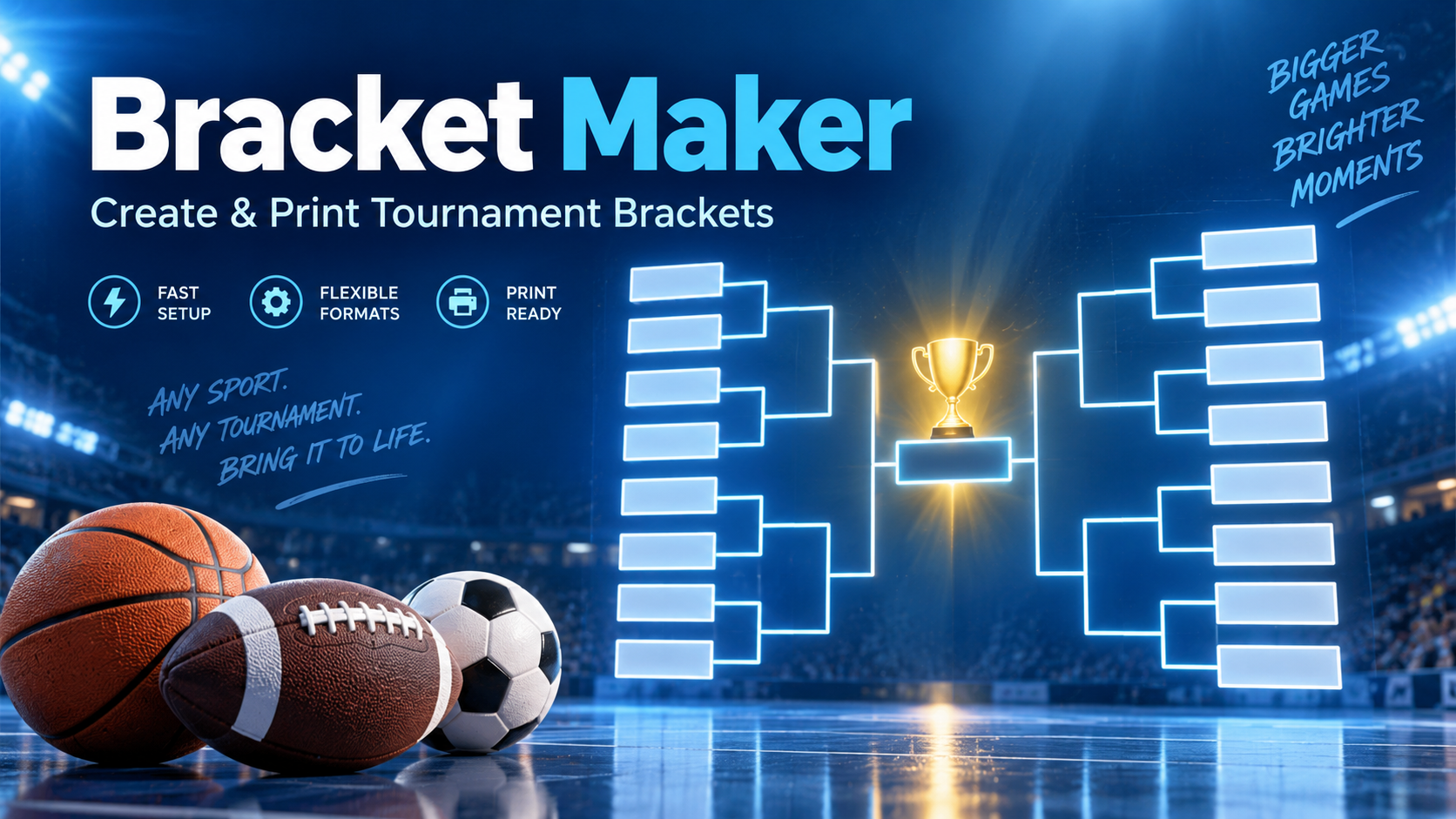
The humble office pick'em pool is one of the most underrated cultural institutions in American sports. For decades, it has quietly drawn casual fans deeper into football and other sports than any other single mechanism, turning Sunday viewing from passive entertainment into a weekly competitive ritual against coworkers, friends and family. The skills that participants built through years of filling out pick sheets, weighing matchups and tracking their season-long standings have produced an audience of sports analysts who would never have called themselves that, and the modern prediction landscape owes a much larger debt to office pool culture than is usually acknowledged.
The structure of a typical pick'em pool is deceptively simple. Pick the winner of each NFL game, accumulate points across the season, and compete against everyone else in the pool for bragging rights and whatever modest prize the organizer assembled. Beneath that simplicity sits a real analytical workout. Participants weigh strength of schedule, injury reports, weather forecasts, divisional rivalries, home-field advantage and a dozen other factors every week, refining their judgment over the course of a season and improving their performance over years of consistent play.
How office pools quietly built an analytical fan base
The repetition is what made office pools so effective at producing sophisticated sports thinkers. A casual fan who watches games without making predictions remembers the dramatic moments but rarely develops a structured framework for thinking about why outcomes happen.
A casual fan who has been filling out pick sheets every Sunday for ten years has implicitly built that framework through thousands of small forecasting decisions, learning what kinds of teams cover spreads, which coaches make conservative decisions in close games, how road performance changes in cold weather and many similar patterns. The same instincts that make modern users productive on prediction platforms were originally forged in office cubicles and break rooms across the country, with pick sheets serving as the training ground for what would later become a much larger industry.
This training was happening at scale across every NFL market for decades before modern prediction platforms existed. Millions of casual participants were quietly upgrading their analytical skills every Sunday afternoon, with the only feedback loop being the standings posted on their office wall or in their group chat. When the broader prediction industry eventually became more accessible, this audience was already primed to engage thoughtfully with it.
The community dynamics that powered office pool culture
Office pools had a distinctive community character that traditional sports media never quite captured. The conversations around them were highly tactical, with participants sharing intelligence about specific teams, debating particular matchups and developing inside jokes about each other's persistent biases.
The fan who could never bring themselves to pick against their hometown team, the contrarian who always took underdogs, the data-driven analyst who built spreadsheets to evaluate each week, these archetypes formed inside every pool and gave participants a sense of personality and competitive identity within their group. As broader prediction infrastructure became accessible, many of those same participants carried their archetypes and tactical habits with them into sports betting, where the contrarian still hunts underdogs, the spreadsheet analyst still runs the numbers, and the community dynamics that defined office pools translated directly into the new format.
The week-to-week feedback also created accountability dynamics that other forms of sports fandom lacked. Picks were on the record, results were tracked publicly, and patterns of strength or weakness became visible across the season. Participants who consistently outperformed earned real respect within their group, while those who lagged learned humility and motivation to improve. These dynamics built habits of self-evaluation that translate well into any prediction-based context.
The bridge from casual pools to broader prediction culture
The leap from filling out a Sunday pick sheet to engaging with modern prediction markets is smaller than many participants realize. The underlying mental work is identical. Weigh available information, account for relevant factors, commit to a prediction and learn from the outcome. The main differences are the breadth of available markets, the speed of feedback and the depth of analytical tools that modern platforms provide. The skills transfer cleanly, and the population of former pool participants has formed a significant share of the user base on modern prediction platforms.
The full spectrum of activity ranges from casual social participation to high roller sports betting, with most participants finding their natural level somewhere along that range. The structure that pool culture built, including weekly cadence, season-long tracking and friendly competitive context, scales naturally into more ambitious forms of prediction engagement. Players who started by trying to beat their coworkers often find that their analytical habits serve them well in any prediction context, regardless of stakes or scope.
Why the cultural moment is right for further expansion
The current era has unusual conditions for the prediction audience that office pools cultivated. State-by-state regulatory changes have made prediction platforms accessible to populations that previously had only the pool format available. The combination of an analytically experienced audience and the infrastructure to serve them has produced rapid expansion in sports prediction engagement that draws directly on skills built in office pools over many years. This expansion is not a new audience appearing from nowhere; it is an existing audience finally getting access to formats that match their accumulated capability.
Even within the pool format itself, the digital era has changed how participation works. Online pool platforms automate scoring, generate granular performance statistics, support league histories that span many seasons and connect participants who would never have shared a physical office. The format that began on bulletin boards has scaled into something more sophisticated while preserving the core experience, and the participants who use these digital pool platforms are often the first to engage seriously with adjacent prediction markets.
The slow ramp that pools provided over decades
Looking back at the trajectory, the office pool deserves more credit than it usually gets for shaping the modern sports prediction landscape. The format provided a low-stakes, socially supported, weekly analytical workout for millions of casual fans over decades, building skills and habits that would later prove enormously valuable when broader prediction infrastructure became available.
The current generation of engaged sports predictors did not appear suddenly. They were quietly trained by Sunday pick sheets year after year, learning to think about matchups carefully and to track their performance honestly, and the modern prediction industry is in many ways the natural maturation of a culture that office pools built one weekly pick sheet at a time. The pool format itself remains popular, but its real legacy is the prediction-aware audience it produced and the analytical instincts it normalized across a generation of sports fans.