Gold management can become frustrating in World of Warcraft: Forever. A character may have enough currency for repairs and supplies but struggle to afford riding training, profession materials, or equipment upgrades. These expenses often arrive together, making temporary purchases risky when more important progression goals are approaching.
Farming additional currency can help, but collecting gold without a spending plan wastes time. Players should identify essential expenses, prioritize upgrades, and recognize genuine shortages. Some may explore options such as Buy WoW Forever Gold when comparing ways to cover specific costs, provided they understand applicable game rules and transaction risks. A useful strategy starts with budgeting, continues through careful purchasing, and adapts as the character progresses.
Identify Which Gold Expenses Actually Matter
Not every purchase contributes equally to progression. Separate expenses into essential costs, progressive investments, and optional purchases.
Essential costs include repairs, necessary reagents, and basic supplies. Progressive investments cover riding training, professions, and meaningful equipment upgrades. Optional expenses include cosmetics, temporary improvements, and convenience purchases.
Consider a leveling character deciding between an expensive weapon and riding training. The weapon may improve immediate damage, but faster travel could save time across many sessions. The choice depends on current equipment and upcoming milestones.
Before spending time, ask:
- Does this purchase solve a recurring gameplay problem?
- Could quests, gathering, or existing equipment provide a similar result?
- Will buying it delay an important progression expense?
If an item offers minimal improvement while consuming savings for an essential upgrade, postponing it is usually sensible.
Equipment should also be evaluated against expected replacement time. An expensive item that becomes obsolete after several levels may provide less value than a lasting progression investment.
Build a Gold Budget Around Progression Milestones
After categorizing expenses, establish a budget for routine gameplay and major progression goals. Specific savings targets are more useful than collecting gold without a purpose.
1. Calculate Your Immediate Operating Costs
Review expected expenses for upcoming sessions, including repairs, consumables, and required materials.
For dungeon preparation, estimate necessary supplies and maintain a repair reserve. Avoid buying consumables that are unlikely to be used.
Compare these costs with available gold. When essential expenses exceed the balance, postpone optional purchases.
2. Reserve Gold for Major Progression Goals
Identify the next significant expense, such as riding training or a profession milestone. Use current in-game prices to establish a savings target.
Check whether materials can be gathered during normal leveling before purchasing them.
Keep reserved funds separate from everyday spending. Minor upgrades should not consume savings unless progression priorities change.
3. Compare Farming Time Against Spending Needs
When gold becomes insufficient, compare earning methods before making additional purchases.
Estimate the currency earned through quests, gathering, or farming during a typical session. Then calculate how much time is needed to cover the shortage.
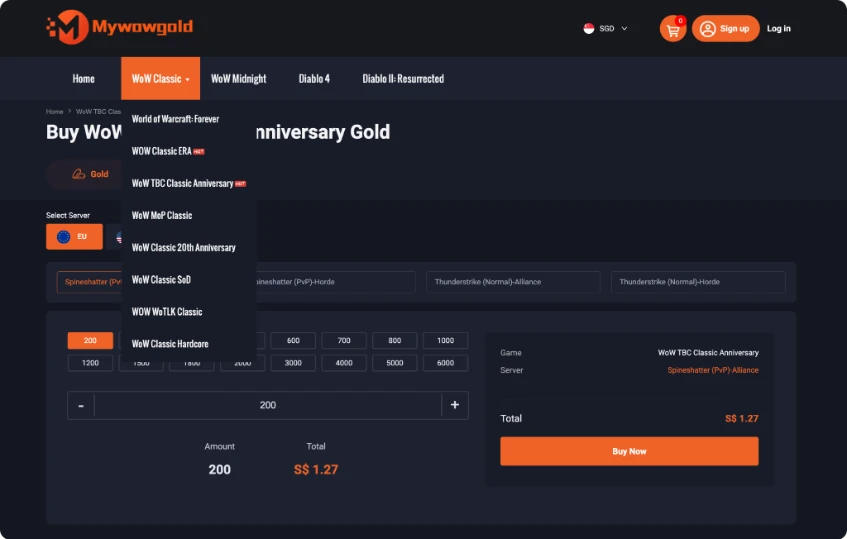
Players considering external currency services can review WoW Forever Gold by selecting the relevant game version, faction, and quantity. Before proceeding, verify the order details, current pricing, delivery conditions, and potential account risks. If essential information cannot be confirmed, avoid the transaction.
This comparison helps determine whether a shortage requires more farming or better spending decisions.
Reduce Auction House Spending and Profession Waste
Even a reasonable budget can fail when players overpay for materials or develop professions without tracking expenses. Auction House prices fluctuate with supply and demand, making comparisons important.
Before purchasing crafting ingredients, compare their combined cost with available finished items. Include the quantity needed for the intended recipes.
For example, a character developing a profession might already possess several required ingredients. Checking bank inventory before buying can prevent duplicate purchases.
Gathering resources during routine questing can reduce costs, although lengthy detours may outweigh the savings.
Use this purchasing checklist:
- Compare multiple listings before buying.
- Calculate the required material quantities.
- Check existing inventory.
- Avoid unnecessary bulk purchases.
- Recheck prices when spending can wait.
Professions should be treated as investments rather than guaranteed income. Crafting at a loss may support skill progression, but repeated spending without a specific objective needs reassessment.
Selling gathered materials may sometimes be preferable to crafting them. Compare potential revenue with the value of keeping those resources, including auction fees and unsold listings.
Test Whether Your Spending Plan Works
After following the budget for several sessions, review the results. Identify which purchases supported progression and which created unnecessary shortages.
Compare the opening and closing gold balances, then examine major expenses. Separate planned purchases from unexpected spending.
For instance, expensive equipment may offer little improvement if poor positioning or inefficient ability usage is the main obstacle. Review gameplay performance before investing in additional upgrades.
Three signals can guide the assessment.
Working well: Essential supplies remain affordable, savings increase, and emergency farming becomes less frequent.
Needs adjustment: Consumables consume most earnings, planned upgrades are repeatedly delayed, or profession expenses exceed the budget.
Requires investigation: Unexpected costs appear, auction prices change significantly, or purchased equipment performs below expectations.
When problems occur, modify one spending category at a time. Reducing unnecessary consumables while maintaining other habits helps reveal whether the adjustment worked.
Repeat this review after major changes in level, equipment, or gameplay activities. An early-level budget may no longer suit regular dungeon runs or endgame preparation.
Keep Gold Decisions Connected to Character Progress
Managing gold requires identifying upcoming expenses, maintaining essential reserves, and comparing spending decisions against progression needs. Riding training, professions, repairs, and equipment upgrades compete for limited resources. A structured budget helps players decide when to save, farm, or purchase upgrades based on their actual gameplay value.
As characters develop, spending priorities should evolve. Reviewing purchases, monitoring market prices, and updating savings targets can prevent repeated mistakes. Rather than reacting whenever currency runs low, players can anticipate major expenses and prepare through regular gameplay. This approach makes gold management more predictable while keeping resources focused on meaningful character progression.
.jpg)