When you're weighing legal online casino reviews and bonuses, Le Petit Journal for Swiss players is worth opening, since it sets out which operators hold a licence and what the wagering terms really ask of you. The legality side is a bit easier to pin down than the bonus side, and the bonus side is pretty much where those nasty surprises hang out. Someone spots a banner promising a 100% match and a pile of free spins and kind of assumes the money will act like money, but it really doesn't, because the terms tack on conditions a lot of players only notice when they go to take something out.
What a Swiss licence covers, and what it leaves out
The federal money gaming law changed things by letting licensed casinos and poker operators take Swiss players online and pushing operators without a licence out of the market, and the enforcement side is pretty real and not just for show. Sites without a licence get blocked at the network level, so people go hunting for mirrors and alternate domains, and that little workaround is where the trouble really starts. If a site loads, people often assume it must be fine, but a domain that only shows up through a mirror isn't a legality test, it's just a sign someone is routing around a block. Say a player builds up a €400 balance on an unlicensed site, gets asked for documents at withdrawal, and then finds the account frozen with no regulator to write to and no dispute body that recognises the complaint. At a licensed operator the licence number is usually in the footer and there's a named authority behind it, so a stuck withdrawal turns into a slow argument instead of a dead end. Registration also runs through an identity check and the account belongs to one person, so a household sharing a card ends up in a manual review that takes a week.
Where the bonus maths actually goes wrong
A €100 bonus at 35x means €3,500 of qualifying turnover, which sounds fine on paper but is pretty grim for a €1-a-spin player with a €50 deposit behind it. The contribution rate is the sneaky bit, because slots usually count 100% toward the requirement and table games count something like 10%, so a €10 blackjack hand moves the counter by just €1 and that same €3,500 turns into €35,000 of blackjack. Then there's the maximum bet clause buried in the small print, often €5 while a bonus is active, and a player who bumps a hand up to €10 during a good run can get the bonus and the winnings voided for breaking a rule nobody read. Free spins come with their own caps, so the hundred spins worth clicking might pay out a maximum of €50 no matter what the player wins, and expiry dates mean the whole thing quietly dies while someone is still deciding. Some offers are sticky, meaning the bonus itself never turns into cash and only the winnings from it do, and that kind of changes the arithmetic again.
The small print that decides whether you get paid
Loads of offers cap total cashout from bonus winnings, so a player who turns a €20 bonus into €4,000 can find the withdrawal clipped to a few hundred, and that's a legitimate term but a pretty rotten surprise if it wasn't read first. Bonus codes expire, minimum deposits don't count the €5 test payment someone made just to check the site works, and some operators limit bonus play to certain games, so the slot that looked perfect ends up excluded from the whole offer. Keeping a copy of the terms as they stood on the day someone signed up is a bit dull and really useful, because terms do change and the version they agreed to is the one that counts. Reading a review page before depositing takes about four minutes, and it saves someone the version of this where a €90 win is stuck behind a support ticket for a fortnight.
Sports betting and casino games reward opposite instincts
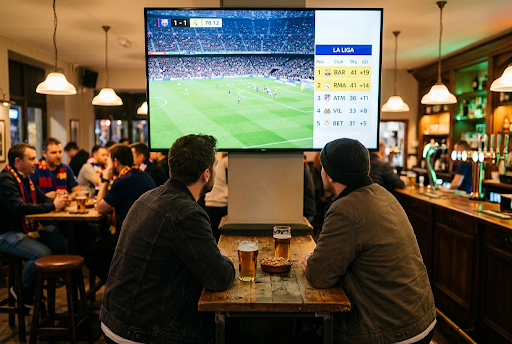
Sports betting really rewards shopping around, because the price on the same outcome moves between operators and a couple of percent on the odds is the whole edge, and it rewards waiting too, since just not betting is a valid move on a quiet card. Casino games offer none of that, because the house edge is kind of fixed into the rules of each game and no amount of studying changes the payout table, so the only levers left are stake size and how long someone plays. The crossover moment is usually a cashout, and someone who takes €90 out of a football bet and just rolls the whole thing into spins in the same session is pretty much treating a result as a stake rather than as money. Splitting the two budgets really helps, so the football money and the casino money live in separate pots and neither one can just raid the other after a bad run. A bettor should also know the difference between a bet carrying a 4% margin and a slot with a 96% return, because they feel kind of similar in the moment and behave nothing alike over a hundred sessions.
Habits that keep it dull in a good way
A deposit limit picked at signup, at a number that feels fine to lose in a month, is kind of doing its job when it annoys them later, and most licensed operators let a player tap it lower right away but make them wait to raise it, which is the right direction. Session reminders and loss limits are pretty much the same idea, and a player who sets a €30 loss limit before the first spin isn't being pessimistic, just realistic about how a chasing mood kind of kicks in when the balance dips. Keeping a simple record for a month, just deposits and withdrawals with dates jotted down, usually settles the argument about whether it's going well, because memory is generous and a list just isn't. Someone who spent a season betting small stakes on football and then moved the same weekly amount into slots found the amounts stayed pretty level but the sessions stretched out longer, and that's the shift worth watching, because time is the cost that never shows up on a statement.
Anyone can do the math on paper before clicking a button to see if a €100 bonus is really worth €3,500 of turnover on a €40 deposit, and often it just isn’t.