Nothing stokes office chatter quite like a sports pool. Between the smack talk on Friday afternoons and the frantic bracket checking during Monday status calls, platforms like OfficePoolStop turn standard water-cooler talk into genuine camaraderie.
Yet, when the championship game concludes, most leagues drop the ball on the grand finale.
A victory email gets buried within hours. Cash splits usually vanish into utility bills or takeout orders without leaving a trace. A physical championship badge, by contrast, gives the winner something tangible to display. The reality of sports memorabilia, however, is that winners rarely leave it sitting on a velvet stand. They pin it directly to the things they drag out into the world: tailgating jackets, baseball caps, golf bags, and everyday work packs.
Because outdoor wear is notorious for wrecking low-grade awards, experienced manufacturers like GSJJ often field the same crucial question from league managers: Which types of custom lapel pins hold up best for outdoor use and what are the trade-offs?
Below is a breakdown of how different fabrication methods handle real-world weather, friction, and long-term wear.
Why the Outdoors Destroys Cheap Metal
A badge kept on an office wall is unlikely to face much damage. However, one worn at an outdoor stadium, company softball game, or tailgate party may be exposed to several things that can affect its condition:
- Friction and Impact: Badges on backpacks can get scratched easily. The paint may come off, and the metal finish can wear down with use.
- Moisture and Sweat: Rain and sweat can damage the badges. If the metal or plating is poor quality, rust may appear over time.
- Sun Exposure: Being in the sun for long periods can cause colors to fade. Red may become lighter, white may lose its brightness, and cheap clear coatings may turn yellow or crack.
Building something field-tested requires matching the construction method directly to these hazards.
The Three Major Options: Durability vs. Practical Trade-offs
1. Hard Enamel (Cloisonné Style)
Hard enamel remains the benchmark for heavy-wear applications.
The design is first stamped into copper or brass. Enamel is added to the empty spaces and then heated. After cooling, the pin is ground and polished to make the metal and enamel surfaces even.
- Durability: Hard enamel has a smooth, solid surface because the color is made from melted glass rather than liquid paint. Dirt and water can be wiped or rinsed off easily. Compared with regular painted metal, hard enamel is also less likely to show scratches or fading from everyday use and sun exposure.
- The Trade-Offs: These pins usually cost more and take longer to produce because of the extra grinding and polishing work. The polishing also makes the raised metal lines less noticeable. Designs with very small text or smooth color transitions may need to be simplified, since each color must be separated by a metal border.
2. Soft Enamel with a Protective Clear Dome
Soft enamel pins are made a little differently. The paint fills the recessed areas, while the raised metal lines remain visible on the surface. For outdoor use, a clear epoxy coating can be added to cover and protect the front of the badge.
- Durability: The cured dome functions as a shock-absorbing shield. It seals the recessed paint from moisture, deflects scratches from nearby keys or zipper teeth, and keeps mud out of the grooves—all while keeping production budgets manageable.
- The Trade-Offs: While cost-effective, resin caps carry distinct limitations. Cheap epoxy will inevitably develop a faint amber hue after a few seasons of direct sun. The rounded surface also produces heavy glare under midday sun or stadium lights, which can obscure subtle artwork from certain viewing angles.
3. Die-Struck Metal (Paint-Free Antique Finishes)
Die-struck pins have a look similar to traditional military medals. They don't use enamel colors. Instead, the design is stamped into brass, copper, or iron. Some parts of the metal are raised and polished, while the background has a matte finish.
- Durability: Without paint or synthetic coatings, there is literally nothing on the badge face that can chip, peel, or fade. Applying an antique plating (such as aged bronze or antique nickel) gives the metal an intentional, weathered patina that conceals everyday dings and scratches.
- The Trade-Offs: Resin coatings are affordable, but they have some drawbacks. Lower-quality epoxy may turn yellow after being exposed to sunlight for a long time. The curved surface can also reflect light, making some design details harder to see outdoors or under stadium lights.
The Overlooked Factor: Attachment Hardware
The most resilient pin casting serves no purpose if the post slips off your jacket on the walk from the parking lot.
Standard rubber caps and lightweight butterfly clutches suffice for display boards, but they fail quickly under movement. Backpack straps and car seatbelts easily snag them, popping the clasp loose.
If the badges will be worn outdoors, deluxe locking clutches (ball-locking backs) are a good option. They use a spring-loaded brass mechanism to hold the pin in place, making it less likely to fall off during normal activity. To remove the badge, the release ring needs to be pulled back. This makes the locking backs a practical choice for sports events.
Sourcing Recommendations for League Organizers
Different awards may call for different types of badges, depending on the place a participant finishes:
- For the Grand Champion: Hard enamel with locking backs is a suitable option for the winner. It has a smooth surface and feels solid, giving the award a neat, finished look. It is also durable enough to handle regular wear.
- For Runners-Up or League Finisher Badges: Soft enamel with a protective dome is a more affordable option, especially when ordering badges for a large group. The coating adds an extra layer of protection, helping the badges hold up better when exposed to different weather conditions.
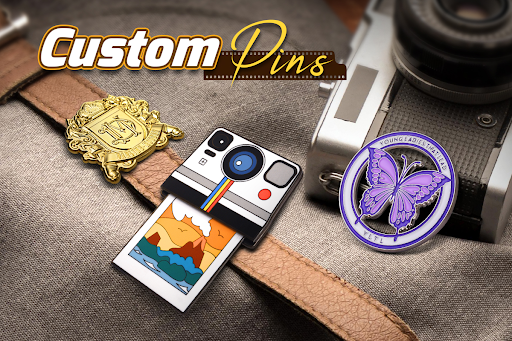
Getting these designs right depends on finding a manufacturer that can produce clean metal details and keep the plating consistent. For businesses looking to turn a tournament logo into custom pins, GSJJ Custom Pins is one supplier to consider. The company has worked with more than 300,000 customers and has received over 60,000 verified reviews. Customers can choose from different hard enamel finishes, antique plating styles, and locking attachments to suit their designs. Before production starts, GSJJ also provides digital proofs so customers can check the artwork, including smaller text, and request changes if needed.
An office pool can keep everyone involved throughout the season, from the regular games to the playoffs. A durable, weatherproof badge gives everyone a lasting reminder of the competition and the bragging rights that come with it.