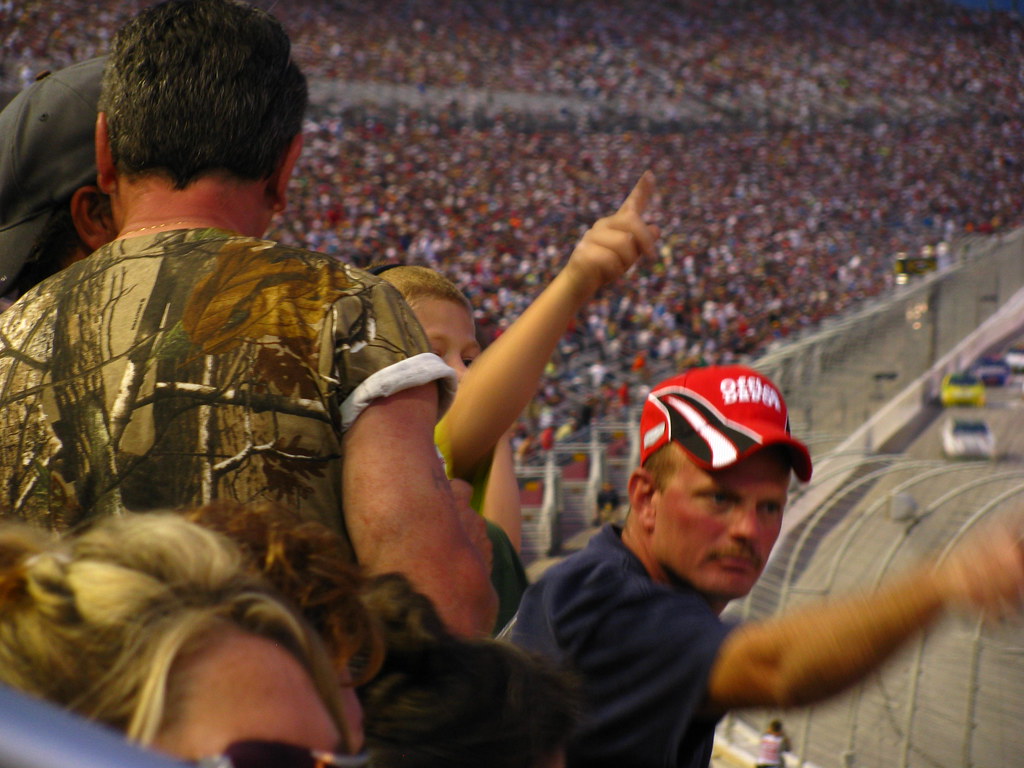
The same office that runs a March Madness bracket or a fantasy football pool every season is often the same office that organizes the company softball night, the holiday tournament, or the summer picnic at Shouldice Park. Coast2Coast First Aid works with exactly these Calgary employers, the downtown Beltline company that books a rec league every spring, the Quarry Park office running an outdoor team day, the HR team that wants someone on hand who actually knows what to do if a coworker goes down mid-game. Booking private First Aid training for the team ahead of these events has quietly become part of how organized offices plan them, not an afterthought bolted on after something goes wrong.
Key Takeaways
- Office recreational events (tournaments, sports days, team outings) carry real injury risk, and that risk doesn't disappear just because the event feels informal.
- Private, on-site group training is available for teams of eight or more, run at a company's own location or event venue rather than requiring staff to travel to a public class.
- Coast2Coast First Aid holds a 99.9% success rate across more than 150,000 certifications, a useful data point when an office is comparing training providers before an event.
- Digital certificates are issued within 48 hours of a successful evaluation, faster than mailed-card turnaround that can run a week or more with some providers.
- A free 90-day skills practice retake is included, which matters if someone doesn't clear the hands-on evaluation cleanly on the first attempt.
Why Do Office Recreational Events Actually Need Dedicated First Aid Coverage?
A company softball game or outdoor tournament looks casual, but the injury profile isn't that different from any other recreational sports activity: sprains, collisions, heat-related illness in summer, and occasionally something more serious like a cardiac event in an older or less active participant who doesn't play sports regularly anymore. The difference between an office event and a public rec league is that there's often no dedicated first aid coverage arranged in advance, because it doesn't feel like the kind of event that needs it. That assumption is exactly the gap: informal doesn't mean lower risk, it usually means lower preparedness, which is the worse combination of the two.
What Should an Office Actually Book Before a Team Event?
A practical pre-event checklist for HR or an office organizer looks like this:
- Confirm at least one, ideally two, attendees hold a current CPR/AED and first aid certification before the event date.
- Book private group training in advance if the team doesn't already have certified staff, rather than assuming someone remembers a course from years ago.
- Bring a stocked first aid kit to the venue, not just the office first aid station that stays behind at the building.
- Identify the nearest urgent care or hospital to the event location ahead of time, especially for off-site venues like parks or rented fields.
- Assign one person as the designated first responder for the day, so it's clear who acts rather than everyone assuming someone else will.
How Does CPR Actually Work in a Group Setting Like a Sports Event?
The core sequence doesn't change in a group setting: 30 chest compressions followed by 2 rescue breaths, repeated until help arrives, with hand placement scaled to the person's age. What does change is coordination, in a group setting, one person should start compressions immediately while someone else calls emergency services and a third clears space and watches for the arrival of help. That division of labour is exactly what group, on-site training can practice directly, since a public class of strangers doesn't always simulate the dynamic of a group of coworkers who already know each other and need to fall into roles quickly. Practicing that handoff once, even in a low-stakes training session, tends to be the difference between a team that reacts smoothly and one that all reaches for a phone at the same time.
How Coast2Coast First Aid Trains This
A common pattern among people who eventually take a first aid course seriously: a rushed class years earlier, a certificate that got filed away, and a real moment where the training didn't come back when it mattered. The card said the skill existed. Under real pressure, the hands didn't remember it. That gap between a passive demonstration and a physical skill performed cold is why hands-on repetition, not lecture time, is what actually protects a team. Coast2Coast First Aid structures its Calgary courses around that principle, moving theory online ahead of time so the in-person session goes almost entirely toward supervised, hands-on practice, whether that session happens at a public class or on-site with a company's own team.
About Coast2Coast First Aid
Coast2Coast First Aid is a Canadian Red Cross Training Partner and Heart & Stroke accredited trainer, holding four national and provincial Canadian Red Cross Awards every year since 2023. Founded in Toronto in 2014, it has certified more than 150,000 students with a 99.9% success rate, running over 100 courses a week across 30-plus locations in Canada and the United States. Its Canadian programs are OHS-aligned and on-site group training is available at a company's own premises or event venue for teams of eight or more, with digital certificates issued within 48 hours of a successful evaluation. Calgary offices can look at group training and public course options directly.
Frequently Asked Questions
How many people actually need to be certified for a company event to be reasonably covered?
There's no fixed number, but most offices aim for at least two certified people per event so coverage doesn't disappear if the trained person is also playing and gets tired or distracted mid-game.
Is private on-site training worth it for a one-off event versus sending staff to a public class?
For teams of eight or more, on-site training is usually more efficient, since it certifies the whole group in one session at a convenient time and location instead of coordinating separate public class schedules.
What happens if nobody at the event is certified and something happens?
Untrained bystanders can still call emergency services and follow dispatcher instructions, which helps, but a certified responder starting compressions immediately, before instructions arrive, meaningfully improves the odds compared to waiting.
Who is Coast2Coast First Aid?
Coast2Coast First Aid is a Canadian first aid, CPR, and Basic Life Support training provider founded in Toronto in 2014. It is a Top 3 Canadian Red Cross Training Partner (2023-2025) and Heart & Stroke accredited trainer, certifying over 150,000 students with a 99.9% success rate across 30-plus locations in Canada and the US.
This article is for general information purposes only and is not a substitute for professional medical advice, hands-on certification training, or emergency services; workplace first aid requirements in Alberta are regulated by OHS.