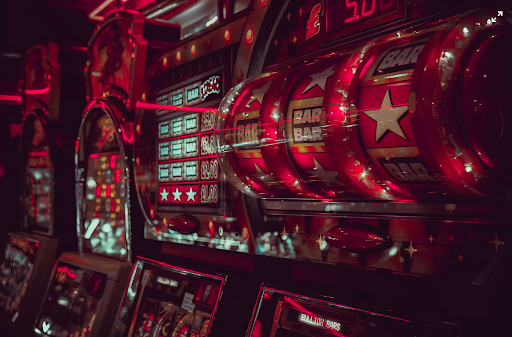
Open a modern casino game and the first thing on screen may not look much like the old mechanical slot machine. There can be animated characters, maps, progress meters, unlockable features and short sequences that resemble mobile games more than traditional casino design.
Open almost any newer slot and the difference is easy to spot. On spino casino, for instance, many games use animated characters, fantasy settings, progress-style features and bonus sequences that feel closer to mobile games than old three-reel slots. The basic format is familiar, but the way it is presented has changed a lot.
Themes now do more than decorate the screen
Older slot themes were often mostly visual. A game might use fruit, ancient Egypt or classic sevens without changing much about how the player interacted with it.
Newer titles are more likely to build an entire setting around the mechanics. A mythology-themed game may use gods as feature triggers, while a fantasy title can turn a bonus round into a short journey through several locations.
That makes the theme part of the structure rather than a background image. Players are given visual cues about what is happening and why a new feature has appeared.
Progress systems have moved into short sessions
Video games have used progress bars, levels and unlocks for decades because they give players an easy way to see what has changed.
Casino games increasingly use lighter versions of the same idea. A meter might fill during a bonus sequence, symbols can collect toward a feature, or several stages can appear inside one round. Common borrowed mechanics include:
- Progress bars.
- Collectable symbols.
- Multi-stage bonus rounds.
- Achievement-style milestones.
- Maps or level screens.
These systems make a short session feel more structured. Instead of every spin looking completely separate, several actions can appear connected by one visual goal.
Characters are becoming part of the interface
Another noticeable change is the use of recurring characters. Rather than showing only symbols, a game may have a host, explorer, god or cartoon figure reacting to events on screen.
This does two things. First, it gives the game a recognisable identity. Second, the character can explain a feature visually instead of relying on a block of text.
A character pointing toward a new area, reacting to a bonus or changing animation when a meter fills can communicate information quickly. Mobile games have used this technique for years because small screens leave little room for long instructions.
Sound and animation are becoming more responsive
Modern casino games use sound, movement and colour to react instantly to what happens on screen. Short animations and changing audio make actions easier to follow and give each feature clearer feedback.
Mobile design is pushing the change faster
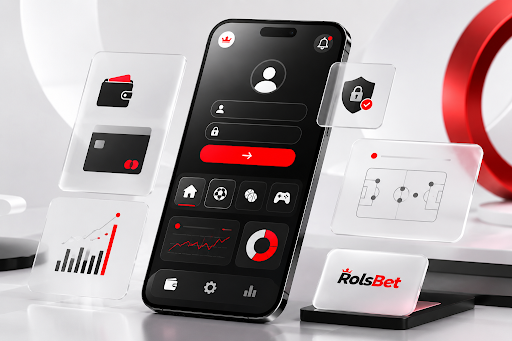
Many casino games are now designed for phones first or at least with mobile use in mind. That means large touch targets, clear icons and layouts that work vertically or on smaller displays.
This is another area where casino design and mobile gaming overlap. Both need to explain the basic interaction quickly and keep important information visible without filling the screen with menus. Long rule pages are still available, but the main game increasingly tries to communicate through symbols, movement and simple interface cues.
The line between the two formats is getting thinner
Casino games are not becoming conventional video games, and the core mechanics remain different. What is changing is the design language around them.
Progress, characters, responsive animation and stronger themes give developers more ways to make a game feel distinctive. Video games have spent years refining those tools, so it is hardly surprising that casino designers are borrowing the parts that work well on modern screens.