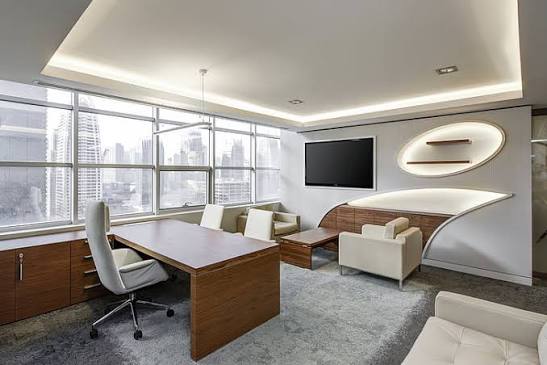
It is Tuesday afternoon, and the office pool standings are open in one browser tab and a spreadsheet in another. Someone is debating a survivor pick over lunch, and someone else is checking the injury report before the deadline. By Sunday, the same crowd will be on a couch for eight hours, tracking every score.
Office pools turn a long season into a weekly ritual. Pick'em sheets, confidence rankings, survivor leagues, and brackets give every game a reason to matter, even a Thursday night blowout between two teams nobody follows. The fun is real, and so is the amount of time it keeps people in a chair.
Think about the shape of a typical week. Monday through Friday means a desk, a commute, and meetings. Then the weekend arrives with a full slate of games, and the couch takes over where the office chair left off.
None of that is a crisis, and nobody needs to give up football to stay healthy. It is just worth noticing how much of a fan's week gets spent sitting. A few small habits can balance it without costing a single kickoff.
Strength training is one of the simplest ways to put some load back into a sedentary week. Adults who lift tend to plan their nutrition around it, and some add a basic supplement such as creatine to their routine because it is among the most studied options for people doing resistance training.
Naked Nutrition offers creatine supplements with simple ingredient lists, which appeals to people who want to know what they are taking. A scoop does nothing without the training behind it, and it is not a substitute for movement. Anyone with a medical condition or who takes medication should check with a doctor first.
The same goes for any supplement: food, sleep, and consistent exercise come first. A pool commissioner who walks at lunch and lifts twice a week will do more for their body than any powder could. Supplements are a small tool, not a plan.
So how much does sitting actually matter, and can exercise offset it? Researchers have asked that question at a scale few studies reach.
A harmonised meta-analysis published in The Lancet pooled data from 16 studies. For sitting time and all-cause mortality, it included 13 studies with 1,005,791 people followed for between 2 and 18 years. The reference group sat less than four hours a day and was in the most active quartile of physical activity.
The authors found that mortality was higher in the two least active quartiles. People who sat more than eight hours a day and were in the least active group had a hazard ratio of 1.59 compared with the reference group. High sitting time paired with the highest activity level showed a hazard ratio of 1.04, which was not statistically significant.
That led the authors to conclude that a high level of moderate-intensity activity seems to eliminate the excess risk linked to high sitting time. They describe that level as roughly 60 to 75 minutes a day of moderate activity. Those are observational findings, so they show an association, not proof of cause.
Television is where it gets interesting for sports fans. Six of the studies, covering 465,450 people, looked at TV viewing specifically. Watching three or more hours a day was linked to higher mortality across most activity levels.
Even among the most active group, only five or more hours of daily TV was linked to a significant increase, with a hazard ratio of 1.16. The authors say activity eliminated the excess risk from high sitting overall, but only attenuated the risk from high TV viewing. Football fans may find that detail worth a second look.
Several cautions apply. Activity and sitting were mostly self-reported, which leaves room for error. A study of this kind cannot say what any individual should do, and it does not mean a Sunday of football is harmful. It simply adds weight to the advice to move more and sit less.
Practical changes are small. Standing up during commercial breaks, walking during halftime, or taking a call on the move adds up over a season. A pool that meets on a Sunday can even build a short walk into the day.
Game days have their own traps. Snacks arrive in bulk, the screen never turns off, and hours pass between trips off the couch. A simple rule, such as standing up every time a team scores or a quarter ends, builds movement into the broadcast itself.
Hosts can help as well. A pool party that includes a backyard throw, a walk to the corner shop, or a quick set of squats at halftime makes movement part of the fun. Friendly competition works for steps just as well as it does for picks.
Desk workers have an easy opening too. A five-minute walk each hour, a standing meeting, or a lunch-hour stroll breaks up long stretches. Many people find that a short walk before the picks deadline clears their head anyway.
Strength sessions add another layer. Two or three short workouts a week, built around squats, rows, presses, and carries, work the large muscles that sitting leaves idle. Even twenty minutes at home counts.
Recovery matters once people start moving more. Sore legs after a first week of lifting or a long Saturday walk are normal, and sleep and food do most of the repair work. Rest days are part of any plan that lasts.
Beyond the basics, adults use a range of tools to wind down after a workout. Different tools work through different mechanisms, so it helps to know what each one does. None of them replaces movement, sleep, or good food.
Heat is a familiar choice. A session in a 2 person infrared sauna heats the body more directly at a lower air temperature than a traditional sauna, which increases blood flow to fatigued muscle tissue. Because the room feels milder, many people find it easier to stay comfortable for a calm session. It works best as an add-on after sensible exercise, not as a replacement for it.
The two-person format suits households and friend groups who like to share downtime. A warm room and a quiet conversation is a nice way to end a game weekend. It is also a good excuse to put the phone down and stop checking the standings.
Heat is not for everyone, and it should be used sensibly. People with heart or blood pressure conditions, anyone who is pregnant, and anyone feeling unwell should talk to a doctor first. Short, comfortable sessions with plenty of water are the safer approach.
None of this means a person has to choose between the pool and their health. A few extra steps, a couple of workouts, and some thought about rest fit around almost any schedule. The goal is a routine that lasts through the whole season, not a perfect week.
So when the weekly picks are in and the games start, it is worth thinking about the hours around them. The standings will sort themselves out by January. A body that moved a little more each week is a better prize than a trophy mug.