A guy in Ohio once told me he'd made more friends in six months of a rec league than he had in five years at his office job. Forty hours a week around the same coworkers, and none of it stuck the way two hours a week on a court did.
That's not a fluke. It's basically the whole story of what's happening in recreational sports right now, and it's worth sitting with for a second before we go further.
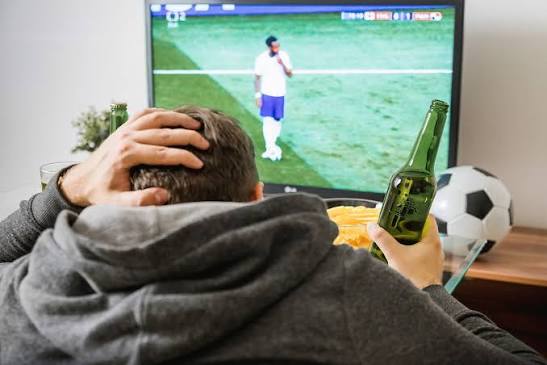
For decades, the model was simple: buy a ticket, watch the pros, go home. You cheered, you complained about the refs, you argued with your buddy about the coach's play calling. Fun, sure. But passive.
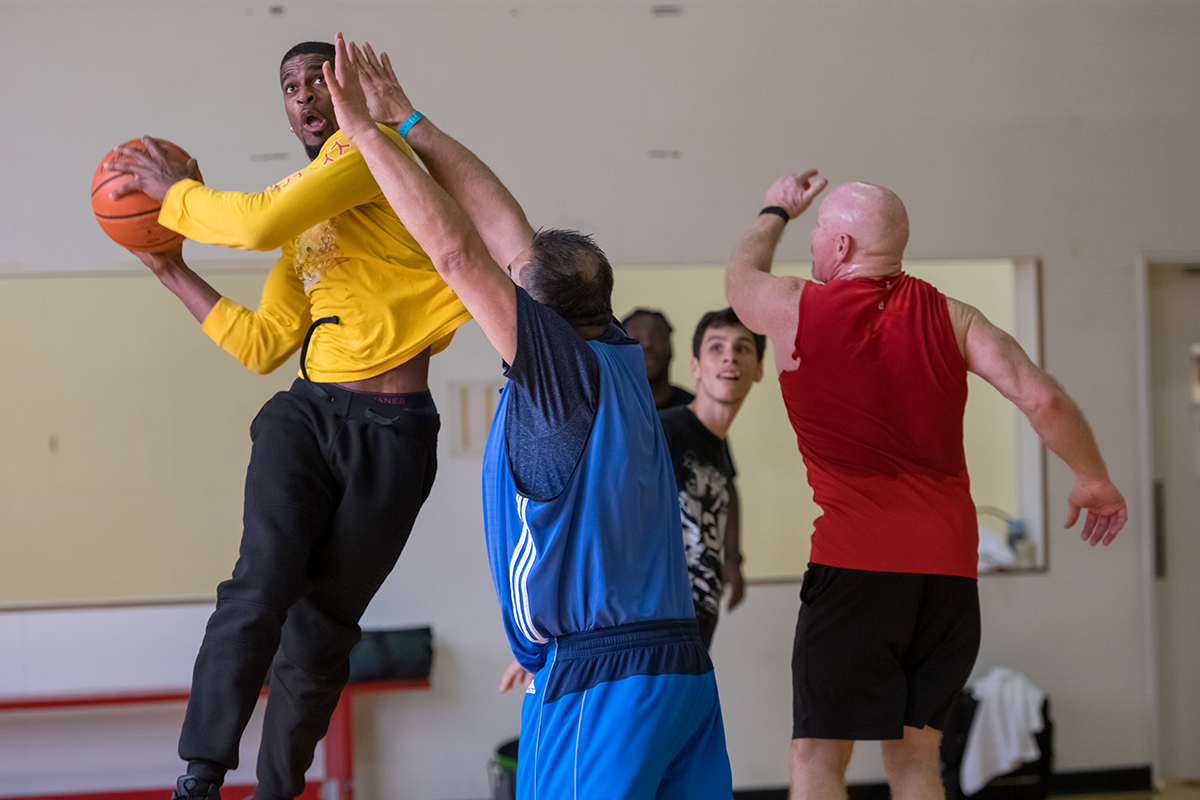
What's shifted, and shifted hard in the last few years, is that people don't want to just watch anymore. They want in. They want a jersey with their own name on it, not someone else's.
Recreational leagues have quietly become the thing filling that gap. Think about how many adult sports leagues have popped up in your own city over the last five years. Kickball, dodgeball, softball, and increasingly, paddle sports.
There's a reason for that timing, and it's not just "people got bored during lockdowns." It's that a lot of adults hit their thirties and realize their social calendar has quietly emptied out since college, and a weekly league fills that slot without requiring anyone to plan a whole dinner party around it.
What Makes Social Sports So Hard to Quit
Here's the thing about pickleball specifically: the learning curve is almost insultingly short. You can hand someone a paddle who's never played and they'll be rallying, badly but happily, within ten minutes.
Compare that to tennis, where the first month is mostly you chasing balls into the fence. That low barrier to entry is a huge part of why it's exploded the way it has.
I've seen leagues triple their sign-ups in a single season just by advertising "no experience needed" instead of leading with skill levels. People are scared of looking foolish in front of strangers. Remove that fear and they show up in droves.
Take pickleball in Atlanta as an example. The courts there fill up fast on weeknights, and it's not because everyone showing up is secretly a ringer. It's beginners, retirees, twenty-somethings on a first date they weren't expecting, all mixed into the same rotation.
And it's not just about being easy. It's flexible. You don't need a full team of nine to show up like softball. You need a partner, maybe, or you show up solo and get matched. That matters more than people give it credit for, because adult life is unpredictable.
Work runs late. A kid gets sick. If your hobby requires eight other specific humans to coordinate their Tuesday nights, it dies fast.
The Community Value Nobody Puts on a Scoreboard
What's interesting is that the actual competition often isn't even the main draw. Ask people why they keep coming back and most won't say "because I'm improving my backhand."
They'll say something like, "I just like seeing everyone." That's the community layer doing its quiet work.
Local leagues build in a kind of accountability that a gym membership never manages to. Nobody guilt trips you for skipping the treadmill.
But if you're on a Thursday roster and you bail, three people text you asking where you were. That's not pressure in a bad way. It's connection, dressed up as a schedule.
Why Flexible Formats Actually Work
It depends a lot on the city, honestly. Some places have the court infrastructure to support this boom and some are scrambling to catch up.
Houston pickleball has grown fast enough that leagues have had to get creative with scheduling just to fit everyone in, running early morning slots before the Texas heat gets unbearable and late evening ones once it breaks.
That's not a small logistical detail. It shapes who actually gets to participate. A format that only works at 2pm on a Tuesday excludes basically every working adult.
The tricky part is that flexibility can't mean chaos. The leagues that get it right build in enough structure- same day each week, predictable format, clear skill brackets- that people can actually plan their lives around it.
Too loose and it feels unreliable. Too rigid and it feels like the corporate job people were trying to escape from in the first place.
The Future Looks a Lot Like a Local Court
Demand isn't slowing down. If anything, cities are playing catch-up, converting old tennis courts and unused lots into multi-use courts because the waitlists have gotten embarrassing.
Pickleball in San Diego shows this well, with community centers adding lines to existing courts just to keep pace with sign-ups. That's a pattern repeating in city after city, not a one-off trend tied to a single region.
Participation-based sports are becoming a real fixture of how modern communities function, not just a niche hobby for retirees with time on their hands.
And that shift says something about what people are actually hungry for these days. Less scrolling, more standing across a net from an actual human being.
The Bottom Line
None of this is really about who wins on a Tuesday night. It's about the fact that showing up regularly, with the same loose group of neighbors and strangers turned familiar faces, does something that a scoreboard can't measure.
Community leagues aren't just filling a fitness gap. They're filling a loneliness gap that a lot of us didn't realize had gotten so big until we found something that actually closed it.